


More than eight years of experience

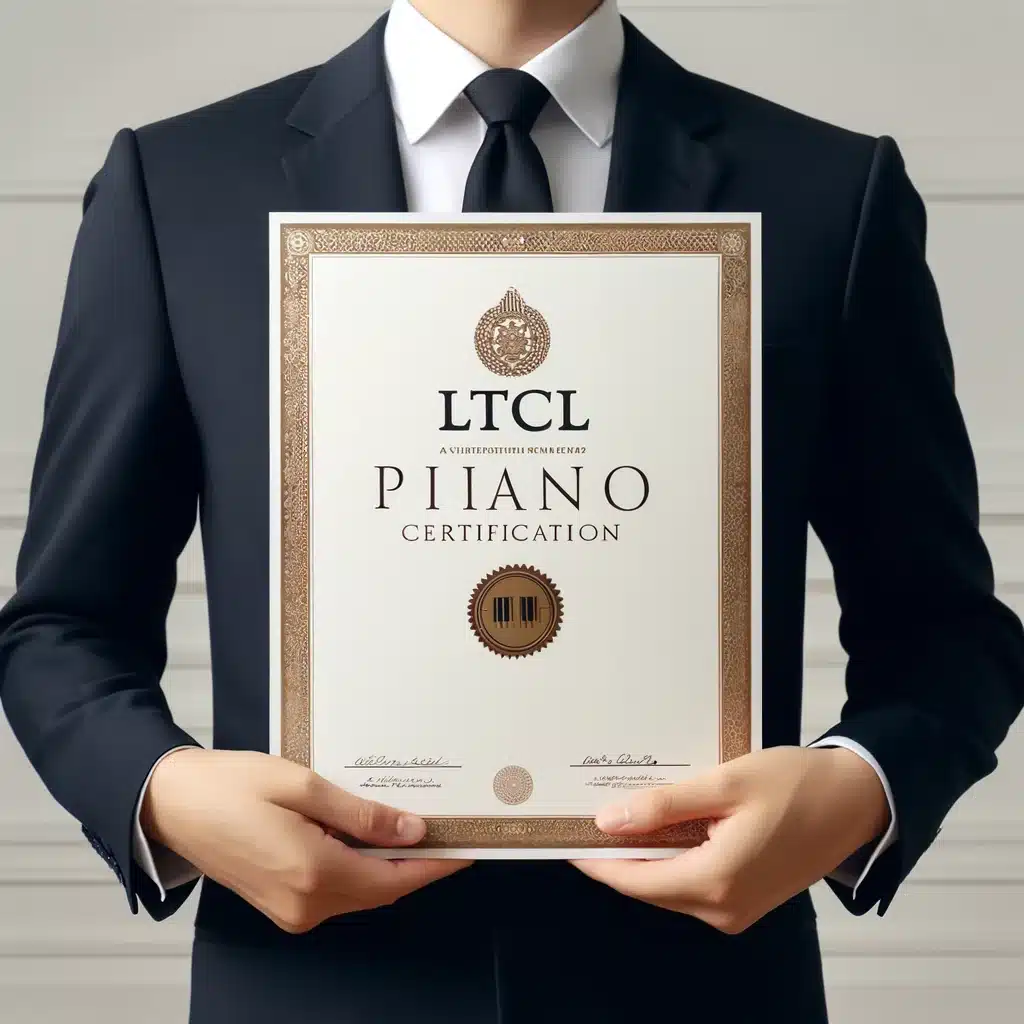
Qualified as a teacher, obtained LTCL certificate in piano and percussion, and Grade 8 Music Theory
Full-time full-time piano tutor for over 10 years and part-time teacher in many international schools.
Ten Years of Teaching and Accompanying Experience
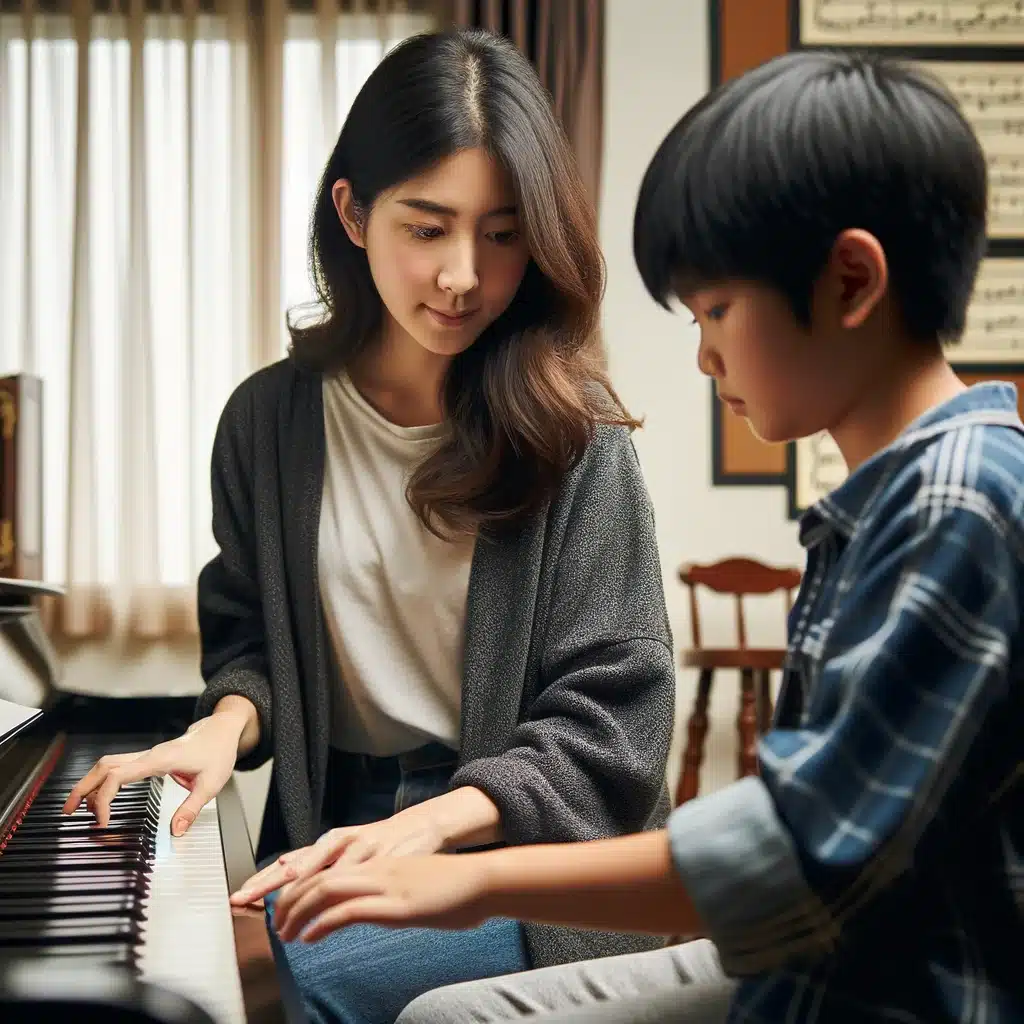
Teaching classical piano lessons and studying for a Diploma in Composition and Music.






Many people are passionate about learning to play the piano, but are often hesitant to hire a piano teacher to teach them in person. Some people think that in the age of the internet, all they need to do is watch online tutorials and they will be able to learn to play the piano well. But is this really true? What is the importance of a professional piano teacher in the development of a student?
Our experienced piano teachers have more than 20 years of experience in teaching piano and hold professional qualifications such as HKCEE Certificate of Merit in all 7 subjects and Grade 8 in piano. Whether you are a beginner or want to improve your playing skills, we can tailor-make lessons to meet your needs. Our teachers are very good at tailoring the lessons to the needs of each student and helping students to find their own way of learning the piano.

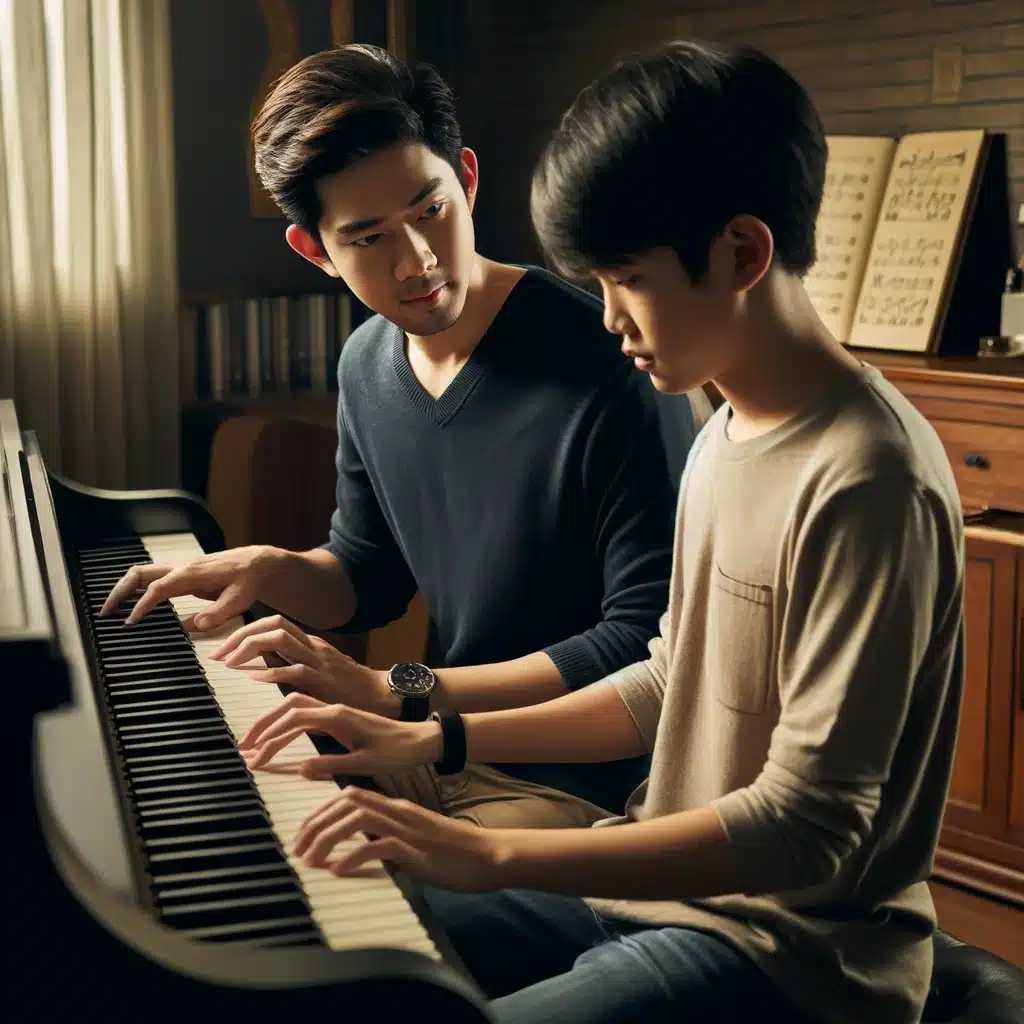
Learning to play the piano is a process that requires perseverance, and the professional guidance of a piano teacher can make all the difference. A good teacher can not only teach proper playing techniques, but also cultivate students' musicality and inspire their love of music. In addition, teachers can also find and correct problems in practice in a timely manner, so as to avoid the development of wrong habits. All these are difficult for students to do on their own.
Although the cost of hiring a private piano teacher is relatively high, it is a worthwhile investment in the long run. A professional piano teacher can help a student build a solid foundation of musicality that will last a lifetime. Even adults who learn to play the piano can make great progress under the guidance of a professional piano teacher. Come and experience the joy of being taught by a piano teacher today!
Learning to play the piano is a long and persistent process, and choosing a good piano teacher is crucial. A good teacher can not only impart professional knowledge and skills, but also stimulate students' interest in learning and help them build up self-confidence. When looking for a piano teacher, you should consider whether the teacher's professional background and teaching style are suitable for you.

Different piano teachers specialise in different areas, some are better at teaching children, while others are more suited to adult learners. In addition, the ability to teach classical music and improvisation varies from teacher to teacher. Whilst a teacher's academic qualifications and credentials can be a basic guarantee, they are not a complete indication of his or her teaching ability, taste, experience, enthusiasm and personality. Therefore, it is important to consider all these factors when choosing a piano teacher.
An experienced and communicative piano teacher is more likely to motivate students. Such a teacher is usually flexible enough to adjust his/her teaching style and programme content according to the characteristics of different students. When communicating with a piano teacher, students should be clear about their learning goals and share their thoughts and feelings openly. A good teacher-student relationship helps to create a positive learning environment and facilitates learning progress.
There are many ways to find a good piano teacher, such as searching for a reputable teacher online or asking friends who have had the experience of learning the piano. The best way to choose a teacher is to attend a trial lesson with several teachers, so that you can get a better understanding of the teacher's teaching style and find the one that suits you best.
| teaching methods | advantage | shortcoming |
|---|---|---|
| One-to-one private tuition | Focused and tailored to the needs of the student. | Higher tuition fees and more co-ordinated schedules |
| Small Group Programmes | Relatively low tuition fees and peer encouragement. | Teaching content does not fully meet individual needs |
| Online teaching | Flexible hours with no location restrictions | Lack of face-to-face interaction and need for self-discipline |
By choosing the right piano teacher and teaching method, combined with scientific practice methods, we believe that every student will be able to find his or her own voice on the piano journey. The professional guidance of a piano teacher is indispensable for both professional learning and hobby. Let's join hands with our excellent teachers to write a beautiful music on the black and white keys!
In the process of learning to play the piano, it is important to establish a good teacher-student relationship. Whether you are a beginner or an experienced student, maintaining open and honest communication with your piano teacher can make learning more efficient. According to statistics, the majority of piano learners are between the ages of 5 and 15, and the traditional one-to-one teaching model is widely recognised by parents and teachers. However, music teachers often face challenges in communicating with their students and tailoring their lessons to their needs.

There should be open and honest communication between the student and the teacher. Students should have the courage to express their thoughts and feelings, such as doubts about the teaching method, difficulties encountered in practice, etc. At the same time, they should be open to suggestions and criticisms from the teacher. At the same time, they should be open to suggestions and criticisms from the teacher. Teachers need to listen patiently to students' ideas and give appropriate encouragement and feedback. Regular exchanges between teachers and students to discuss learning progress and goals can enhance mutual understanding and improve the effectiveness of teaching.
In the process of learning to play the piano, students should respect the professionalism of the piano teacher and trust the teacher's teaching style. A good music teacher usually has a wealth of teaching experience and professional knowledge, and is able to teach students according to their characteristics. Students should trust the teacher's teaching plan and practice arrangements, and actively cooperate with the teacher's teaching. At the same time, teachers should respect students' individuality and interests, and should not impose their own ideas on others. Mutual respect and trust between teachers and students is the foundation of a good relationship.
It is important for teachers and students to work together to set clear learning goals and plans to keep the motivation to learn the piano. Learning goals can be divided into short-term and long-term goals, such as playing a simple piece of music within a month, or obtaining a piano grade certificate within a year. Based on these goals, teachers can help students to draw up a detailed practice plan, including daily practice time, repertoire selection, and skills training. Regularly reviewing the progress of learning and adjusting the goals and plan when necessary will make the learning process more gradual and effective.
| suggestion | practice |
|---|---|
| Cultivate students' interest in playing the piano | Create a relaxing and enjoyable learning atmosphere by choosing students' favourite songs. |
| Developing a balanced programme of teaching according to students' abilities | Flexible adjustment of teaching contents and progress according to students' characteristics and abilities. |
| Encourage innovation to improve teaching effectiveness | Innovative in teaching methods and contents to stimulate students' passion for learning. |
| Cultivating Teachers' Reflective Skills | Summarise the teaching experience through reflection and continuously improve their own teaching level. |
In short, a good teacher-student relationship requires the concerted efforts of both parties. While the price of lessons and the price of lessons are important, what is more important is to find a competent piano teacher and to establish a relationship of mutual trust and mutual respect between teacher and student. This is the only way to make the journey of learning piano farther, more stable and more fruitful.
Learning to play the piano is a gradual and consistent process. One of the most effective ways to learn is to learn from a professional piano teacher who can give you timely guidance and feedback. Whether you want to learn the piano in Tuen Mun, Tai Po or are looking for a music teacher to teach you the piano, choosing a good piano teacher is crucial.
An experienced piano teacher will be able to tailor the lessons to the student's needs, laying the foundations for beginners and helping experienced students to further develop their playing skills. Even at the concert level, students can continue to improve under the guidance of a piano teacher. When there are bottlenecks in the learning process, the teacher's encouragement and guidance can help students overcome the difficulties and maintain their enthusiasm for learning.

Many people worry that they can't afford to hire a piano teacher, but in fact, the fees for different teachers vary greatly. Students can choose a suitable teacher according to their needs and budget. In addition, many community centres and music institutions offer free or low-cost piano lessons, providing more people with the opportunity to learn the piano. As long as you have enough interest and perseverance, you can always find a suitable way to learn piano.
| teaching methods | Features | cost |
|---|---|---|
| Traditional Piano Lessons | Tailor-made teaching, focusing on individual situation, requiring more time and less flexibility. | The tuition fee may be as high as 800-1500 TWD per session. |
| App Teaching | Provide a wide range of expertise, be directive and provide immediate feedback, with flexible hours | Free and paid options are usually available, with paid subscriptions costing around $2,000-$4,000 per year. |
| Film Teaching | Provides guidance but no immediate feedback, more flexible timing | Fees are usually low or free |
The development of modern technology has also opened up new possibilities for piano learning. Many excellent piano learning apps, such as Skoove, provide a wealth of course resources, covering both classical and pop music, and well-known instrument brands such as Roland have also cooperated with online teaching platforms to provide users with high-quality free piano lessons. The use of electronic music scores and intelligent hardware and software has made learning the piano more convenient and efficient.
Regardless of how you choose to learn to play, it is important to keep up the practice habit. Practising at least half an hour a week is the basic requirement for progress. As long as you are fully committed, you will be able to feel the joy of dancing on the keys under the guidance of your piano teacher.
Learning to play the piano requires consistent practice. It is only through regular and focused practice that you can truly master your piano playing skills and improve your musical performance. Here are some ways to improve your piano learning.
Developing a daily practice habit is crucial to piano learning. Studies have shown that 20 minutes of daily practice for beginners can help to establish a habit of practising, and the practice time can be increased gradually as skills improve. It is recommended that beginners practice 5 days a week to maintain continuity and steady progress. Professional pianists, while practising for several hours a day, usually limit their practice time to about 40 minutes per session, as concentration peaks at this point in time.

Practice should be focused, targeting skills such as finger dexterity, force control, and independence, while emphasising musical expression. An effective strategy is to isolate and solve challenging pieces and specific technical difficulties to ensure steady progress. Prioritising problem solving over repetition of familiar parts helps to overcome skill bottlenecks and achieve sustained progress. Also, choose moderately difficult pieces and work your way up from easy to difficult without rushing.
For more efficient practice, use a metronome to help control the tempo, and record yourself with a recording device to compare the effects of repeated practice. Break down your repertoire into manageable parts for daily study and review to help improve your practice efficiency. Warm-up exercises, such as Hanon exercises, can improve finger flexibility, speed, and strength, resulting in noticeable technical improvements.
| learning method | advantage | shortcoming |
|---|---|---|
| Traditional Piano Lessons | - Face-to-face guidance from teachers - Timely feedback and correction of errors | - Higher cost per session ($800-$1500) - Low flexibility, usually need to attend regular weekly classes. |
| Apps for Learning Piano | - Lower or free ($2,000-$4,000 per year) - Provides a wide range of expertise, covering a variety of styles and techniques - Flexibility for students to choose their own study time and place. | - Lack of face-to-face guidance from teachers - Requires greater self-discipline |
| Video Tutorials | - Low or no fee - Learning Anywhere, Anytime | - Lack of feedback from teachers - Failure to provide real-time corrections may result in wrongful habits. |
Learning to play the piano as an adult is very different from teaching children, as adults rely more on self-motivation and personal goals as the driving force behind their learning. Using a combination of different learning methods such as apps and traditional lessons can provide a holistic learning experience. It is recommended to stick with one method for a period of time to ensure a good foundation is laid before changing learning methods. By combining these data insights with piano practice, learners can optimise their progress and enjoy mastering the instrument. If there is a bottleneck, seek guidance from your piano teacher to adjust your practice methods to help you make the best progress in your learning process.
Before you start learning to play, it is important to choose a piano that suits your needs and create a good learning environment. Whether you are a beginner or a student with a certain degree of foundation, having a good quality piano and a comfortable and quiet practice space will help you learn with less effort and improve your efficiency.
When choosing a piano, you need to consider factors such as budget, space, acoustics, etc. For beginners with limited budget, digital piano is a good choice. For beginners with limited budget, digital pianos are a good choice. They are relatively affordable and do not take up much space, which makes it easy to practice at any time. Of course, if the conditions allow, buying a high quality acoustic piano is also a good choice. Whichever type of piano you choose, try it out yourself to make sure the keys feel good and the tone is pure. Many piano teachers and piano companies can provide professional advice on choosing a piano to help students find the best instrument for them.
Creating a suitable environment for practising at home can help students to be more engaged in their practice. Firstly, you should choose a relatively quiet room to avoid being disturbed by external noise. Secondly, pay attention to the position of the piano, avoid direct sunlight, and maintain a suitable temperature and humidity so as not to affect the sound level and service life of the piano. At the same time, you can use piano covers and carpets to reduce the impact of the sound on others. Creating a comfortable and quiet practicing environment not only helps students to concentrate more on practicing, but also makes the process of learning the piano more enjoyable.
| Piano Type | advantage | shortcoming |
|---|---|---|
| Digital Piano | Affordable, space-saving, easy to practice, can use headphones to practice. | Slight difference in tone and feel from an acoustic piano. |
| Acoustic Piano | Pure tone, real feel, suitable for advanced learning | Higher price, large space occupation, need regular tuning and maintenance. |
In general, choosing a piano that suits your needs and creating a good practising environment is the foundation of good piano learning. Whether we consult a professional piano teacher or refer to the experience of other learners, it will help us to make a more informed choice. Only in an environment that suits you can you enjoy playing the piano and improve your playing skills.
Participating in piano recitals and competitions is a good way to check your results. Playing on stage not only improves self-confidence, but also helps to overcome stage fright. Through competitions, students can see the strengths of other players and find out their own weaknesses, so that they can practice in a more focused way. Some high-level competitions also provide opportunities for the best players to show their talents and open up the path of music.

Of course, participating in competitions should not be the whole purpose of learning the piano. What is more important is to enjoy the happiness brought by music, and to feel the joy of growing up in the process of constantly surpassing oneself. If you want to participate in high-level performances and competitions, you may want to seek the help of a performing piano teacher. These teachers usually have rich teaching experience and competition experience, and can provide more professional guidance to students.
| Teacher Becky Tung's students' awards | Number of Awards |
|---|---|
| Number of students who have won prizes in various competitions over the past 15 years of teaching | over 100 |
| Outstanding Instructor Award in Shenzhen Open Piano Competition for five consecutive years. | 5 times |
| Received the Outstanding Gardener Award in Shenzhen China Four Hands Piano Competition. | 4 times |
| Received the Gold Medal of Instructor in Guangdong Youth Keyboard Instrument Competition. | 4 times |
For example, she has been teaching piano for nearly 15 years and her students have won more than 100 prizes in various competitions. She has won the Outstanding Instructor Award at the Shenzhen Piano Open Competition for five consecutive years, the Outstanding Gardener Award at the Shenzhen China Four Hands Piano Competition for four consecutive years, and the Gold Medal for Instructor at the Guangdong Youth Keyboard Instrument Competition for four consecutive years. These results are proof of the performance grade piano teacher's teaching level and the excellent performance of the students.
Participating in a piano competition requires a lot of practice and preparation, which is a good opportunity for students to train. In the process of preparing for a competition, students not only improve their playing skills, but also learn how to adjust their mindset and deal with various situations during the competition. These experiences and abilities can be useful not only in music, but also in other aspects of life. Therefore, participating in piano recitals and competitions has a positive impact on the growth of the student.
Learning to play the piano is a process of continuous exploration and improvement, in which exposure to different styles of music and challenging repertoire of various levels of difficulty can help students to improve their overall performance level. An experienced piano teacher will guide the student through the diverse world of music, allowing the student to find his/her own favourite style and to progressively master his/her playing skills.
Piano music covers a wide range of styles including classical, jazz, pop, etc. Each style has its own unique charm. For beginners, classical music is the foundation of piano learning. Starting with simple pieces such as Bach's Minuet and Beethoven's To Alice can help students build up a good sense of music and technique. As learning progresses, students can try more challenging classical repertoire, such as Mozart's Sonatas and Chopin's Etudes.
Jazz and pop music require students to have a certain foundation before learning. Jazz music emphasises on improvisation and requires students to have a deep understanding of harmony and rhythm. Pop music, on the other hand, focuses more on melody and emotional expression. By learning these styles, students can enrich their musical expression and have more personal characteristics.
In the process of learning piano, it is very important to choose the right repertoire with the right level of difficulty. A good piano teacher will recommend the right repertoire according to the level of the student. At the beginning, simple pieces can help students to build up their confidence and feel the joy of learning. As the student's skills improve, he or she can try more challenging pieces.
The following are examples of tracks that students of different levels can try.
| Level | classical repertoire | Jazz/Pop Tracks |
|---|---|---|
| primary | Bach's Minuet, Beethoven's "To Alice". | Let It Be, Yesterday. |
| intermediate | Mozart Sonata, Chopin Sinfonia | Fly Me to the Moon, The Way You Look Tonight. |
| upscale | Liszt's The Bells, Rachmaninov's Piano Concerto No.2 | Take Five, Rhapsody in Blue. |
Whether you are a beginner or a student with a certain level of knowledge, listening to a variety of styles of music, finding your own favourite type of music, and challenging yourself under the guidance of your piano teacher are the only ways to truly enjoy the fun of learning the piano, and go further and further along the path of the piano.
Learning to play the piano is a gradual process, and there are corresponding grades for piano playing. Amateurs are generally classified into grades 1-10, with each grade corresponding to a different level of difficulty and skill requirements. Typically, grades 1-4 are beginner levels, suitable for students who are just starting out; grades 5-7 are intermediate levels, which require a certain level of foundation in playing; and grades 8-10 are advanced levels, which require a higher level of playing skills and musical expression. Many parents attach great importance to their children's piano grades and hope that their children can advance quickly. However, professional piano teachers will formulate a reasonable teaching plan according to the actual situation of the students and guide them to advance steadily.
Taking a grade examination is a way to check the results of learning. By taking the exam, students can have a clearer understanding of their performance level, obtain the corresponding certificate, and increase their motivation to learn. In Canada, the Royal Conservatory of Music (RCM) is the main examining body for piano grades. Compared with the Chinese exams, the Canadian exams pay more attention to musical expression. Although the repertoire may not be as difficult as the Chinese exams, but under the same level of technical difficulty, more emphasis is placed on the emotional input. In addition, Canadian piano exams have higher requirements for music theory, and from Grade 6 onwards, students are required to take an independent music theory exam.
| Piano Grade | Difficulty | Suitable for the crowd |
|---|---|---|
| Level 1-4 | primary | Beginners |
| Level 5-7 | intermediate | Students with a certain foundation |
| Grade 8-10 | upscale | Students pursuing higher skills |
It is important to note that exams are not the only way to learn the piano. Many students and parents may be overly concerned about exam results, but grading is inherently subjective. The purpose of learning the piano is to enjoy the music, not to get grades.Piano is relatively easy to learn, but it takes both talent and hard work to improve. Parents' concept of education determines to a large extent the motivation and duration of the child's piano learning.Some children may lose interest in the learning process, mainly due to a lack of parental support and encouragement. Piano teachers have found that Canadian children are more independent, more self-directed, and more challenging to teach. The success of learning to play the piano depends not only on the child's own interest, but also on the parents' guidance and the teacher's dedication.
For adults, the purpose of learning the piano is more of a hobby than a grade. Compared with children, it is easier for adults to persevere and make faster progress. The key is to find the right piano teacher and keep an open mind to enjoy the lessons.
Overall, piano grades provide a reference framework for learning the piano, but they should not be the only goal of learning. Both children and adults should follow the principle of gradual and orderly progress, and continue to challenge themselves and improve their skills while enjoying music.
Learning to play the piano is a hobby that requires an investment of time and money. Choosing the right piano teacher is crucial to the learning process. The fees charged by piano teachers usually depend on their teaching experience, professional background and the number of hours they teach. Generally speaking, experienced piano teachers, especially those at the recital level, charge higher fees. For students who are new to piano lessons, it is important to choose a teacher who is experienced in teaching and good at communication.
According to market research, the cost of piano tutoring is generally between $600 and $2,000 per lesson, depending on the background and teaching experience of the tutor. For one-on-one lessons in a music classroom, the cost per lesson ranges from $500 to $1,000; for group lessons, the cost per lesson ranges from $450 to $600. For beginners, the cost of a piano tutor is between $400 and $2,000 per lesson.
It is worth noting that if the piano tutor is a music graduate or has a higher academic background, their fees may be higher. Surveys have shown that the cost of a piano tutor with a music degree ranges from less than $600 to more than $1,200 per lesson. If you wish to hire a piano tutor who is an accomplished performer, the fee may be higher, depending on the teacher's popularity and teaching level.
Learning to play the piano is a long-term investment. Students and parents are advised to choose a suitable piano teacher according to their budget and needs. Before making a decision, try a few lessons to see if the teacher's teaching style suits you.
Apart from paying for the piano teacher's tuition fees, there are other aspects of learning to play the piano that need to be considered, such as.
Overall, learning to play the piano is a committed learning process. In addition to choosing a good piano teacher to provide professional guidance, students also need to be prepared in terms of time, energy and money. Through continuous practice and careful teaching, we believe that every student will be able to make progress on the path of piano playing and feel the joy of music.
| Teacher Type | Fee Range (per hour) |
|---|---|
| Taiwanese Piano Teacher | HK$143.81 - HK$239.68 |
| British Piano Teacher | HK$139.38 - HK$232.31 |
| American Piano Teacher | HK$125.46 - HK$209.10 |
| Local Piano Teachers | HK$52.58 - HK$87.64 |
| Local professional piano teachers (e.g. classical piano) | HK$202.97 - HK$338.29 |
The above table shows the price range of different types of piano teachers in Hong Kong. It can be seen that local piano teachers charge relatively lower prices, while foreign piano teachers, especially those from Taiwan, the United Kingdom and the United States, generally charge higher prices. This is mainly due to the fact that foreign piano teachers usually have more teaching experience and professional background. For students with specific needs, such as those who wish to learn classical piano, choosing a professional local piano teacher is a good option.
In addition, with the development of online technology, more and more students choose to learn piano online, compared with offline one-on-one teaching, online piano lessons are usually cheaper 20% to 30%. Compared to offline one-on-one teaching, online piano lessons are usually cheaper by 20% to 30%. According to the AmazingTalker platform, the average hourly rate of an online piano teacher is about HK$130, with specific fees ranging from HK$80 to HK$300 per hour, depending on the teacher's experience and the student's needs. For some popular piano courses, such as piano interest classes, children's piano classes (4-11 years old) and piano examination courses, students' satisfaction level exceeds 100%.
Whether you choose to take piano lessons online or offline, it is recommended that you take a taster lesson before you enrol. Many piano teachers offer a 25-minute trial lesson, so students can take this opportunity to communicate with the teacher, learn about the teacher's teaching style, and assess whether the lesson is suitable for their learning needs. Only when you find a suitable piano teacher can you really enjoy learning the piano and make the desired progress.
The development of modern technology has facilitated piano learning in many ways. Whether you are a beginner or an experienced pianist, you can make use of all kinds of technology to improve your learning efficiency. With mobile phones, tablets and other devices, we can practice anytime, anywhere, making learning more flexible.
There are many quality piano learning apps on the market, such as Simply Piano and Flowkey. These APPs make the boring process of piano practice lively and interesting through game-like methods, which greatly motivates the learners. Some APPs can also connect with digital pianos to make real-time scores on performance and record practice time, helping learners to better grasp their own learning progress. In addition, piano learning software such as Synthesia can map sheet music to the keyboard, making it easier for beginners to learn the music and reducing frustration.
Apart from apps and software, there are also a lot of free piano teaching videos available online. Some famous piano teachers will explain their playing skills and share their learning experience in the videos. These videos cover all stages of learning, from introductory to advanced, and are very good learning resources. Students can choose the right video according to their own level and needs. Compared with traditional face-to-face teaching, online video learning is more flexible. Students can learn according to their own schedule, or watch the videos again and again to consolidate their knowledge.
With the rise of online education, more and more teaching platforms are offering online piano lessons. These courses are usually taught by experienced piano teachers, and students can learn through video, audio, text and other forms of learning. Compared with traditional lessons, the advantage of online courses is that they are not restricted by geography, allowing students to learn and exchange ideas with piano lovers from all over the world. In addition, some platforms regularly organise masterclasses and invite famous pianists to teach online. This provides a rare opportunity for piano enthusiasts to learn from master pianists at a close distance and to appreciate the high level of piano playing skills.
Overall, modern technology has opened up new paths for piano learning. Whether it's practising with an app, watching a video or taking an online course, learning the piano has become more efficient and interesting. As a piano learner, we should make good use of these technological means to make our learning journey more colourful. Of course, online learning cannot completely replace offline teaching, the two should complement each other. Only by combining the two organically can we really achieve the best results in piano learning.
Learning to play the piano is a challenging but fascinating process. Whether you are looking for an excellent piano teacher for your child or you want to learn to play the piano yourself, choosing the right teacher is crucial. An experienced teacher with a teaching style that matches yours will be able to tailor the lessons to your child's needs, stimulate interest, and help you or your child make steady progress on the piano journey.
In addition to the careful guidance of your piano teacher, learning to play the piano requires effort on the part of the student. Making a reasonable practice plan and developing the habit of practising daily will help to improve the performance level. Parents' support and encouragement are also indispensable to create a good environment for learning the piano and to accompany your child's growth. Appropriate participation in recitals and competitions will help to increase self-confidence, and at the same time will help you to identify your own shortcomings and point out the direction for your next step in learning.
Learning to play the piano is not an easy process, but with love and perseverance, you can overcome the difficulties and experience the joy of music. Whether it is a hobby or a professional learning, piano can enrich one's personality and life. May all piano students find their own music world on the black and white keys, and let their lives become more colourful because of the piano. Find an excellent Hong Kong piano teacher and let's embark on a wonderful journey of learning piano together!
When choosing a piano teacher, it is important to consider whether the teacher's professional background and teaching style are suitable for you. A good teacher should be flexible enough to adjust the programme for different students. In addition, an experienced teacher who is good at communication is more likely to motivate students. You can search for good piano teachers with good reputation on the internet or ask your friends who have had the experience of learning the piano. When communicating with your piano teacher, you should be clear about your learning goals and be frank in your communication.
Establishing a good relationship with your piano teacher is the key to improving your learning. Both parties should maintain open and honest communication and express their own thoughts and feelings. Students should respect the teacher's professionalism and trust his/her teaching style. Teachers should care about students' needs and give encouragement and feedback. Teachers and students should work together to set clear short-term and long-term learning goals, and draw up detailed practice plans to help maintain learning motivation.
One of the most effective ways to learn the piano is with a piano teacher. Face-to-face lessons provide timely guidance and feedback, and the teacher will tailor the lessons to the student's characteristics. Whether you're a beginner wanting to build a solid foundation or an experienced student wanting to improve your technique, a professional piano teacher can provide targeted help. Many people worry that they can't afford to hire a piano teacher, but the rates vary greatly from teacher to teacher. Students can choose the right teacher according to their own situation.
Learning to play the piano requires consistent practice. Setting up a regular practice schedule and developing a habit of practising every day are crucial to piano learning. Focus your practice on finger dexterity, strength control, independence and other skills, as well as musical expression. To make your practice more efficient, you can use a metronome to help control the rhythm, and record your performance with a recording device to compare the effect of repeated practice.
When choosing a piano, it is important to consider factors such as budget, space and acoustics. Beginners can start with digital pianos, which are relatively affordable, do not take up much space and are easy to practise. If possible, you can also buy a good quality acoustic piano. Regardless of the type, try out the piano to make sure the keys feel good and the tone is pure. It is also important to create a suitable environment for practising at home. Choose a quiet room, place the piano out of direct sunlight, and maintain a suitable temperature and humidity level.
Participating in piano recitals and competitions is a good way to test your learning. Playing on stage can improve your self-confidence and overcome stage fright. Through competitions, you can see other people's strengths and find out your own weaknesses, so that you can practise more specifically. Some high-level competitions also provide an opportunity for the best performers to show their talents and open up the path of music. If you want to participate in high-level performances and competitions, you may want to seek the help of a concert pianist.
Piano performance is classified into grades 1-10, with each grade corresponding to different repertoire difficulty and skill requirements; grades 1-4 are beginners, grades 5-7 are intermediate, and grades 8-10 are advanced. Taking a level examination allows you to check your level of performance and obtain a corresponding certificate. It is not necessary to take the examination, but it does serve to urge practice and improve the level.
The price of hiring a piano teacher depends mainly on the teacher's experience, teaching level and the number of hours of lessons. Well-known piano teachers, especially those at the recital level, will charge a higher price, which may range from $500 to $1,000 per hour. For an average piano teacher, the fee is relatively low, ranging from $200-500 per hour. If the teacher comes to your home, the price will be slightly higher. When choosing a piano teacher, you should not only look at the price, but also the quality of teaching and whether it is suitable for you.
Modern technology has made learning the piano much easier. With mobile phones, tablets and other devices, you can practice anytime, anywhere. Many apps for piano learning, such as Simply Piano and Flowkey, are game-based and motivate learning. Some apps can also connect to digital pianos to rate performance and record practice time. There are a large number of free piano teaching videos on the Internet, with master teachers explaining playing techniques, which are good learning resources. Some teaching platforms also provide online piano courses and organise master classes on a regular basis.