



現職老師

2年補習經驗 專補數學科及理科

10年以上補習經驗

7年以上補習經驗

3年以上專補數學經驗

4年以上補習經驗

7年教學經驗
曾擔任大型模擬試之改卷員及大型補習社數學系助教

香港中文大學取得數學碩士學位

英國現職老師








學數學的方法有很多種——在學校內向數學老師請教、數學私人補習、補習社數學專科補習——但無論你以何種方式學習,都需要明白一個基本原則。原則:學習數學的唯一方法就是做更多題目!
數學是一項只有通過操卷才能進步的科目,因此同學應利用課餘時間操卷。操卷是學習數學最重要的部分之一。在一至兩個月內,學生會在肉眼可見看的速度進步。
學習數學最重要的是定時復習。數學的知識有時候會相互依賴,如果你錯過了某個概念或者題型,那麼後面的學習會變得更加困難。定時復習可以讓你保持對數學的整體了解,同時幫助你更好地理解每一個概念。
除了做題目,學習數學還需要找到合適的學習資源。這些資源可以是教科書、練習題、教學視頻等。選擇一個適合自己的資源非常重要,因為每個人的學習風格和速度都不同。不要害怕嘗試不同的資源,找到適合自己的方法。
總之,學習數學需要持之以恆,每天都要投入一些時間來練習,只有通過不斷的實踐才能真正掌握這門學科。做更多的題目,定時復習和找到合適的學習資源是提高數學能力的三個關鍵點。不要害怕挑戰自己,在精通數學的道路上堅持下去,你一定能取得好成績!
學習數學的攻略是一個長期的過程,需要持之以恆地投入時間和精力。每天都要努力練習,只有通過實踐才能真正掌握這門學科。做更多的題目,定時復習是提高數學能力的重要方法之一。透過反復的練習和複習,可以牢固地記住不同的概念和公式,提高解題能力。
同時,找到合適的學習資源也是學習數學的關鍵點之一。有些人可能更喜歡閱讀書籍,有些人則更喜歡在網上找到相關的資源。不論是書籍、網路講義還是網上教學視頻,都能幫助你更深入地理解數學的概念和技巧。選擇適合自己的學習資源,可以提高學習效果,更快地進步。
最後,不要害怕挑戰自己。數學是一門需要思考和推理的學科,有時候會遇到困難和挫折。但是,只有堅持下去,克服困難,才能真正精通數學。相信自己的能力,相信自己可以克服挑戰,你一定能取得好成績!
總而言之,學習數學需要持之以恆,並且每天都要投入時間來練習。做更多的題目,定時複習和找到合適的學習資源是提高數學能力的三個關鍵點。不要害怕挑戰自己,在精通數學的道路上堅持下去,你一定能取得好成績!
數學私人補習是學習小學數學進步的一個有效方法。在私人補習中,學生可以獲得個別化的指導和解答問題的機會。老師可以更容易地發現學生的弱點,並提供針對性的輔導和練習,以幫助學生克服困難。此外,學生可以在一對一的環境中更自由地提問和深入探討問題,使他們更快地理解和掌握數學概念。也可以幫助學生發現和修正錯誤,並提醒他們需要繼續努力的領域。
總結起來,要提高DSE數學能力,需要持之以恆,並採取一些有效的方法。學生可以尋找數學私人補習以獲取個別指導,找到適合自己的學習資源,並定時複習學習內容。只要努力堅持,每個人都可以在小學數學中取得進步!

數學是一門需要你全神貫注的學科,所以要避免多任務或在分散注意力的環境中學習,例如嘈雜的咖啡館或電視機前。快速學習數學的一個重要條件是找到一個你不會被叫走或被食物、家務或手機等分心事物誘惑的地方。
如果您想知道如何快速學習數學,下方會提供有用教材、私人補習服務和學習技巧可以幫助您。無論DSE數學/其他學制數學/其他學制數學,還是聘請導師幫助您實現學習目標,GETUTOR都可以幫到您。
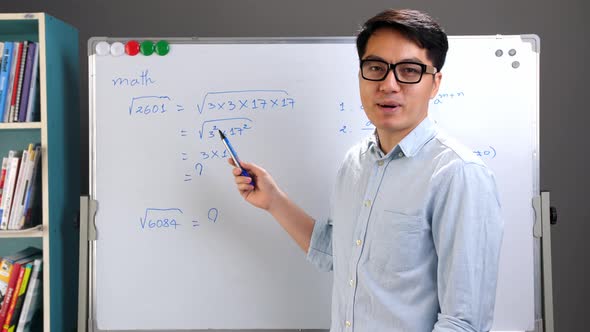
如果您認為自己一個人學習數學仍有地方不明白,也可以找一位私人補習導師幫手。GETUTOR可以為你配對數學補習專門導師: 數學私人補習/數學上門補習/數學線上補習/中學數學補習/小學數學補習。馬上配對全香港數學補習導師。
對於很多人來說,數學是一個難以掌握的科目。但事實上,只要掌握正確的學習方法,任何人都可以在DSE數學考試中取得優異成績。本文將分享學習心得,帶您了解如何透過系統性的練習和學習策略,在DSE數學考試中取得出色的成績。
在追求DSE數學高分的道路上,了解考試的核心要求和高分策略是至關重要的。本節將深入探討如何有效準備DSE數學考試,從而在這個挑戰中脫穎而出。
經常聽到的一句話是“操卷出狀元”,這在DSE數學的準備過程中尤其真實。透過大量練習過往的試題,學生不僅可以熟悉考試題型,還能掌握時間管理和解題速度。
選擇適合自身水平和考試要求的練習卷至關重要。從基礎到進階,逐步提高難度,有助於建立扎實的數學基礎。
在準備過程中安排模擬考試,可以幫助學生適應正式考試的壓力和節奏。這不僅提升了解題能力,也增強了心理素質。
在學習過程中,建立一本錯題本是極為重要的。這不僅可以幫助學生記錄下解題過程中的錯誤,還能有效地進行針對性復習。
錯題本的建立,首先是從錯誤中學習。每當犯錯時,不應僅僅停留在錯誤本身,更重要的是深入分析錯誤的原因。
將錯誤分類可以更有效地進行復習。例如,可以按照錯誤類型(如計算錯誤、概念誤解等)或是相關的知識點進行分類整理。
有效的錯題本應該是容易查閱和復習的。以下是一些實用的建議,幫助學生打造一本高效的錯題本。
無論是紙質錯題本還是電子錯題本,選擇一種適合自己的記錄方式是首要的。電子錯題本方便搜尋和更新,而紙質錯題本則更適合手寫和隨時翻閱。
在錯題本中記錄時,應該包括錯誤題目的完整資訊,錯誤的原因分析,以及正確的解題思路和答案。這樣有助於之後的回顧和學習。
建立錯題本後,定期的復習是不可或缺的。可以設置固定的復習計畫,比如每周或每兩周翻閱一次錯題本,確保錯誤不再重複。
自學和預習在DSE數學的準備過程中扮演著關鍵角色。透過自主學習,學生可以在正式授課之前對即將學習的內容有一定的了解,從而在課堂上更加專注於教師的講解和深入討論。
網絡和圖書館是學習資源的寶庫。學生應該積極尋找適合自己學習階段和目標的教材和輔導資料,提前預習。
有效的自學需要有計劃。學生應該根據自己的學習進度和目標,制定出實際可行的學習計劃,並堅持執行。
校內試不僅是檢測學習成效的重要手段,更是為公開考試做準備的重要環節。認真對待每一次校內試,可以幫助學生及時發現和彌補知識上的不足,同時提升應試技巧。
每次校內試後,學生應該及時反思考試中的表現,找出錯誤和不足之處,並根據反思結果調整學習計劃和策略。
在準備校內試時,盡量模擬真實的考試環境,這有助於學生適應正式考試時的壓力,提高應試能力。
數學補習導師提供DSE數學和其他各方面的援助,以滿足您的學生學習數學的需求,提升學生的數學成績和邏輯水平。但更重要的是,他/她的自信心會增強。
其他好處亦包括:
大多數認識到數學私人補習是一種最成功的教學/學習模式的家長和學生都選擇了我們的數學補習老師。他們都有以下的見解或目標:
每個學生在數學科的學習方式和學習速度都不同,因些在一對一的補習中,學生得到了數學導師的專注教學。數學補習導師可以考慮到學習風格、優勢和興趣,專門針對個別學生量身定制數學學習課程,與學生一起實現目標,一起進步。
GETUTOR通過將學生的學術需求和學習方式與合適的導師配對,我們為香港服務了十年。我們所有的DSE數學導師都是根據他們想成為教育工作者而加入的,但同樣重要的是他們對教學的熱愛。
GETUTOR 擁有200000名專業數學補習導師,值得信賴的補習專員團隊,涵蓋所有範疇的數學補習,包括數學DSE,M1,M2,其他學制數學補習等。
與同類補習中介機構不同,GETUTOR 以專業的方法致力提供靈活性和最高質量的數學教育。
GETUTOR:家長滿意度最高的補習中介平台
家長在GETUTOR登記數學補習後,GETUTOR的客戶服務專員會按照學生的數學成績、目標(DSE數學或其他公開試的目標成績)、數學學習上困難/優勢領域、數學科的學習方式、對數學補習老師的期望等,配對最適合您的數學補習導師。一旦我們找到了合適的數學補習導師,我們會與家長/學生聯繫並提供該數學補習導師的信息和背景。整個過程通常只需要幾個小時或幾天。
數學導師的收費取決於導師的數學教學經驗以及該導師在公開試數學科(DSE數學、其他學制數學、其他學制數學等)。一般而言,一般大學生老師的時薪約為$180-250,全職補習老師的時薪約為$250-400,現職老師的時薪則$400起。
註:以上價格只作參考。
一般而言,多數的DSE數學補習、其他學制數學補習學生及數學補習導師都會要求每一節數學科補習至少1.5小時。GETUTOR亦建議家長及學生最好維持每節的數學補習課堂在1.5小時至2小時間,這樣對學生的數學科學習最有效益。
這取決於學生的當前數學水平、目標以及學生時間安排。大多數的DSE數學學生、其他學制數學學生或其他學制數學學生每週都至少與他們的數學補習導師進行一至兩次數學補習課,這樣才能有成效。一些數學科基礎較差的學生甚至每週進行3次以上DSE數學補習/其他學制數學補習。
DSE數學、其他學制數學、其他學制數學科等都非常着重學生在數學科的基礎,所以數學補習的結果會隨著時間的推移而出現。平均而言,學生或家家可以在大約三個月後發現數學補習的成效。數學補習其中一個主要目標是為學生養成成功的學習和學習習慣,這個過程需要一些時間。學習,尤其數學科學習是講究一理通百理明,學生一旦學會,就會對學生在數學科,甚至整個DSE/其他學制/其他學制/其他學制的學術生涯的學習產生積極影響。
一般而言,DSE數學補習/其他學制數學補習大多在學生家中進行,而其他學制數學補習和其他學制數學補習則多為線上補習。如果家長覺得上門補習不方便,那麼亦可考慮線上補習/zoom補習。在家裡zoom補習一來時間更容易與數學補習老師遷就,二來學生一般對線上補習會感到更舒適和放鬆,因此會對數學DSE補習、其他學制數學補習、其他學制數學補習或其他學制數學補習學習更加開放和接受,所以當在家中進行線上補習時,學生可以在數學補習課中事半功倍。
數學導師提供的數學補習課程完全是為了滿足學生在DSE數學科/其他學制數學科/其他學制數學科/其他學制數學科的需求而創建的,所以如果數學導師在補習課堂中覺得學生需要額外的數學練習時,我們的數學補習老師導師會在數學補習課堂之外為學生提供額外的功課。
GETUTOR會安排數學補習導師或老師在課堂開始前和家長聯絡,這樣數學補習導師了解學生在各學制的數學科(包括DSE數學,其他學制數學,其他學制數學,ICGSE數學等)的學習需要,數學補習老師亦可以在補習課後告知家長學生的進步,並反映學生在數學科可能需要額外幫助的地方。家長、數學補習導師和GETUTOR三方合作,助你的學生於數學DSE、其他學制數學其他學制數學或其他學制數學中奪取佳績。
一,確保數學補習導師和學生擁有所有需要的材料和安靜地方進行的數學補習。在數學補習之前確保學生擁有所有適用的數學課本及其他數學教材。
二,與學生一起跟進數學補習課程,設定合適的數學學習目標。在數學補習課堂後與您的數學老師保持積極的溝通渠道,就學生的數學學習向您的數學補習導師提供具體及積極反饋,並就您的數學導師和GETUTOR聯繫,向我們提供反饋和建議。



全港數學補習: 返回全港數學補習導師名單 →
