


现职老师20年以上教学经验香港中文大学中文系学士及硕士毕业

教育文凭(中学中文科)教学年资逾10年

6年以上补习经验

6年以上补习经验毕业于理工大学中文及双语系学士课程

10年以上专补中文经验

3年补习经验







Learning Chinese can be both rewarding and tough, especially for exams like the DSE Chinese test. But, with the right help, students can overcome thesehurdles and do well in Chinese. This article will give you tips on finding expert Chinese tutors and how to ace the DSE Chinese exam.

Learning Chinese can be tough, but one-on-one tutoring gives a big boost. It means getting personal attention and a course made just for you. This way, a chinese teacher can focus on what you need, how you learn best, and what you want to achieve. It makes learning the language more effective and quicker.
With one-on-one tutoring, a teacher chinese can watch your progress closely. They can see what you’re good at and where you need help. Then, they can change the lessons to help you the most. This ensures you get the support you need to overcome hurdles and build a solid language base.
Every student is different, with their own way of learning and goals. One-on-one tutoring lets the chinese teacher create a course just for you. This makes learning fun and ensures you’re moving forward at your own pace.
Thanks to one-on-one Chinese tutoring, students can learn more efficiently and effectively. This leads to a deeper understanding and better mastery ofChinese.

“One-on-one tutoring allows the teacher to tailor the lessons to the student’s needs, learning style, and interests,leading to more effective language acquisition.”
Looking for the right ib chinese teacher or chinese tutor is key to a great language learning journey. You should look at their qualifications, teaching skills, and how well they understand Chinese culture. Eachof these factors is important for a good match.
Start by checking the ib chinese teacher‘s or chinese tutor‘s qualifications and experience. Choose someone with formal Chinese language teaching qualifications and a history of helping studentsreach their goals. Think about how many years they’ve taught, the students they’ve worked with, and any special training theyhave.
It’s crucial for a ib chinese teacher or chinese tutor to be fluent in Chinese. Look for someone who speaks Chinese as a native speaker. They can give you correct pronunciation, detailed grammar explanations,and a deep understanding of Chinese culture.
Every student learns differently. The best ib chinese teacher or chinese tutor will adapt their teaching to fit your needs. They should get to know your learning style, goals, and challenges. Then, they’ll create a planjust for you.
Learning a language is more than just learning words and rules. A great ib chinese teacher or chinese tutor knows a lot about Chinese culture, history, and traditions. They’ll add cultural elements to your learning. This makes learning more funand meaningful.
Keep these points in mind to find the ib chinese teacher or chinese tutor who can really help you improve your Chinese.

Learning Chinese with an experienced Chinese teacher brings many benefits. They know the language well and understand Chinese culture deeply. This makes learning more fun and helps students get the language’s subtleties.
An teacher chinese with a native-level command of Chinese can teach you a lot. They know how to speak, use expressions, and talk about culture naturally. This is great forstudents wanting to improve their speaking, listening, and understanding skills.
They also know a lot about Chinese culture, history, and customs. This knowledge helps students use the language better. It prevents mistakes and makescommunication clearer.
“Having a teacher who can provide insights into the cultural nuances of the Chinese language has been incredibly valuable for my learningjourney. I feel much more confident in my ability to navigate various social situations and communicate appropriately.”
With an experienced Chinese teacher, students learn more about the language and culture. This leads to better fluency and understanding.
Getting ready for the DSE Chinese exam can feel overwhelming. But, with help from a skilled chinese tutor, you can learn how to handle the exam’s different parts. This way, you can get the results you want.
The DSE Chinese exam checks your skills in listening, reading, writing, and speaking. Knowing the exam’s layout is key to making a good studyplan. Your chinese teacher knows all about the exam’s sections, question types, and how marks are given.
Learning about the exam’s layout with a talented chinese tutor helps you make strategies for each section. This way, you can improve your chances of doing well.
“Preparation is the key to success. With the right guidance, you can conquer the DSE Chinese exam and unlock new opportunities.”
– Jane Doe, Experienced Chinese Teacher
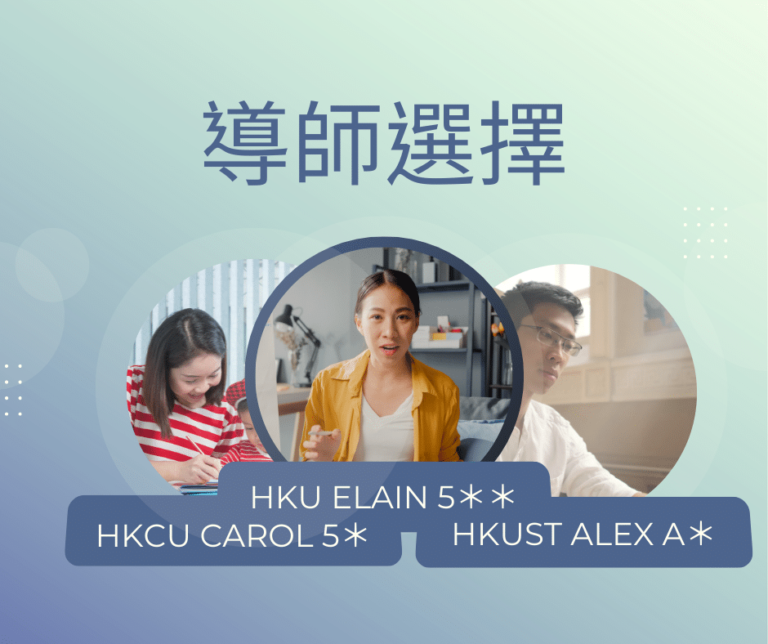
At GETUTOR, we take great pride in our selection of top-notch Chinese teachers. They offer one-on-one tutoring that’s second to none. Thesetutors are experts in language skills, teaching methods, and cultural knowledge. They’re ready to help students reach their goals.
We go through a tough selection process to pick our Chinese teachers. We look for native speakers with degrees in linguistics and passionate teachers withlots of experience. Our team has chosen the best tutors for our clients.
Our recommended Chinese teachers offer top-quality lessons tailored to your needs. Whether you’re starting out or want to improve yourskills, our tutors can help. They have the knowledge to support you in becoming proficient in Chinese.
“The guidance and support I received from my GETUTOR-recommended Chinese tutor was invaluable. They not only helped me improve my language skills, but also provided insights into the cultural nuances that enriched my understandingof the language.”
If you want to improve your Chinese language skills, check out our chinese teacher recommendations. Let us connect you with the perfect tutor for you.
Learning Chinese well needs a mix of different learning methods. One great way is to dive deep into the language by watching Chinese media, taking part incultural events, and talking with native speakers.
Immersive learning boosts your Chinese skills and helps you understand the culture better. It makes you better at speaking, listening, andunderstanding Chinese. Here are some top tips for immersive learning:
Staying in touch with the Chinese language and culture helps you connect with it deeply. This can really help you get better at Chinese. Whether you’re a chinese teacher or an ib chinese teacher, these tips are super useful.
“The greatest way to learn a language is to immerse yourself in it. The more you surround yourself with the language, the faster you willprogress.”
Adding these immersive learning tips to your study plan can really change the game. Remember, sticking with it and working hard is what gets you there.
Technology has changed how we learn languages, offering many resources and tools for Chinese. It includes interactive apps, virtual classrooms, onlinedictionaries, and language exchange sites. These tools help both chinese teacher and chinese tutor in teaching and give learners more ways to practice and get involved.
Technology lets learners tailor their learning to their needs. Apps and software adjust to their level, style, and speed. This makes learning moreengaging, motivating, and effective.
Technology also makes learning from anywhere possible. Chinese teacher and chinese tutor can teach students from all over, making learning easy for everyone. This way, learners can fit their studies into their busy lives, making it easier andmore flexible.
“Technology has transformed the way we learn languages, offering a wealth of personalised and engaging resources that empower learners toachieve their linguistic goals.”
The use of technology is becoming more important in teaching Chinese. It opens up new ways for learners and chinese teacher or chinese tutor to learn and enjoy the language.
Learning Chinese can be tough, especially with its unique sounds and characters. But, with the right help from a skilled Chinese teacher and some smart strategies, you can beat these challenges. This will help you build a strong base in the language.
One big challenge is the language’s tonal nature. Each character has a specific tone, and getting these tones wrong can cause confusion. Chinese teachers suggest a few ways to improve:
There are also many unique characters to learn, each with its own look and meaning. This can feel overwhelming, but Chinese teachers have some advice:
With time, effort, and the right Chinese teacher, you can get past these hurdles. You’ll gain a deep understanding and love for the Chinese language.
Learning a language is more than just knowing its grammar and words. For those learning Chinese, diving into its culture makes learning more fun. By learning about Chinese festivals and customs, students get a deeper understanding of the language and its culture.
Learning about Chinese culture is great for language learners. Celebrating festivals like the Lunar New Year and the Mid-Autumn Festival shows the beauty of Chinese traditions. These events let students learn about the symbols and customs of each festival.
Knowing about these festivals helps Chinese language learners connect with the language and its people. It also helps them talk better in social and work situations.
Looking into Chinese everyday customs is also important. Things like tea ceremonies and how to give gifts show the subtleties of the Chinese language and its speakers.
Adding these cultural parts to their studies makes Chinese learners understand the language better. It helps them talk more naturally with Chinese speakers.
“The true path to mastering a language is not only through its grammar and vocabulary, but also through the deep understanding of itscultural roots and traditions.”
Embracing Chinese culture in language learning changes everything. It opens new views and makes learning more rewarding. Whether it’s through festivals ordaily customs, adding Chinese culture to language study makes learning more meaningful.
Setting achievable goals is key to learning Chinese well. With help from a skilled chinese teacher, you can check where you are now, see what you’re good at, and set clear goals. This way, you can track your progress and stay motivated as youlearn.
Here are some tips for setting realistic Chinese language goals:
Remember, having a good chinese tutor is key to doing well in Chinese. By staying focused and celebrating your wins, you can improve your skills and reach your goals.
“The secret of getting ahead is getting started. The secret of getting started is breaking your complex overwhelming tasks into smallmanageable tasks, and then starting on the first one.”
Learning Chinese is a journey that lasts a lifetime, offering many benefits. It can improve your career and deepen your understanding of Chinese cultureand yourself.
Staying connected with Chinese culture is a big plus of learning Chinese. It lets you dive into the traditions and customs of China. This can make youappreciate the language and its history more.
Knowing teacher chinese also helps in your career. In a global world, speaking Chinese can give you an edge. It makes working with Chinese-speaking people easier, which can lead tobetter business opportunities.
Learning Chinese also boosts your personal growth. It makes your brain work better, improving problem-solving and memory. It’s achallenge that makes you feel proud of your achievements.
“The journey of a thousand miles begins with a single step. Embrace the lifelong pursuit of Chinese language mastery, and witness the doorsit can open.”
Starting to learn Chinese at any age can change your life. It opens new doors, deepens your cultural understanding, and helps you grow personally andprofessionally.
Learning Chinese is a journey that never ends. There are many resources to help you keep learning. If you’re a chinese teacher or a chinese tutor, these digital tools can boost your skills and understanding of the culture.
E-learning has changed how we learn languages. Now, you can find online courses and apps for Chinese lessons that fit your schedule. They offer lessons forall levels, from beginners to advanced learners.
These tools let you learn at your pace and get feedback. They also help you track your progress and connect with others who love languages.
“Continuous learning is the minimum requirement for success in any field.” – Brian Tracy
Using these tools, you can keep improving your Chinese skills, no matter where you are. Start your journey to learn this fascinating language and open upnew possibilities.
One-on-one Chinese tutoring is very important. It helps students build a strong base in the language. They can also get ready for the DSE Chinese exam andimprove their skills.
Teachers who know the language well and understand Chinese culture are key. They help students overcome challenges and appreciate Chinese culturedeeply.
Students aiming for the DSE Chinese exam or wanting to learn Chinese for other reasons benefit a lot. A skilled chinese teacher or ib chinese teacher can help them reach their goals. This support is crucial for their language learning and cultural journey.
One-on-one Chinese tutoring gives you personal attention and a lesson plan made just for you. This way, you learn more effectively and efficiently. Thetutor can focus on your strengths, weaknesses, and interests.
Look for a tutor with the right qualifications, experience, and fluency in Chinese. Make sure their teaching style matches how you like to learn. Theyshould also meet your specific goals and needs.
An experienced Chinese teacher brings native-level fluency and deep cultural knowledge. This enriches your learning and helps you understand the language’s subtleties.
To prepare for the DSE Chinese exam, understand its structure and format. An experienced tutor can guide you on effective exam strategies, from reading towriting.
GETUTOR offers a selection of highly qualified Chinese teachers. They’re experts in language, teaching methods, and culture. They’re ready to help you reach your goals.
To improve in Chinese, use a mix of learning strategies. Engage with authentic Chinese media, join cultural activities, and talk with native speakers.These methods boost your language skills and fluency.
Technology has changed language learning. It offers many resources and tools for Chinese. Apps, virtual classrooms, and online dictionaries help withpractice and engagement.
Chinese learning can be tough, like mastering tones and characters. But, with a skilled teacher and the right strategies, you can overcome thesechallenges and build a strong language foundation.
Adding Chinese culture to your studies makes learning more engaging. Explore festivals, customs, and practices to appreciate the language’s richness and cultural context.
Setting achievable goals is key to learning Chinese well. With a skilled teacher, you can check your level, know your strengths and weaknesses, and setclear goals. This helps you track progress and stay motivated.
Learning Chinese is a lifelong journey with many benefits. It opens doors to new career opportunities and deepens your cultural understanding andpersonal growth.
There are many resources for continuing Chinese education. Online courses, apps, and language exchange platforms offer chances for practice, skilldevelopment, and language exposure.
由 GETUTOR 升學研究組撰寫 | 數據來源:GETUTOR 內部配對紀錄
喺香港搵中文補習,其實唔止係 DSE 學生嘅事。近年 GETUTOR 後台多咗好多國際學校家長、非華語學生(NCS)、甚至係外籍專業人士,佢哋要搵嘅唔係識中文嘅導師,而係「識用英文教中文」嘅導師。呢兩樣嘢差好遠。
根據 GETUTOR 2024-2026 全港配對紀錄,樣本約 8,170 宗中文相關配對入面,有大約 14% 係指明要「English-medium Chinese tutor」或者「Tutor who can explain Chinese in English」*。呢個比例兩年前得返 8% 左右,即係話個需求一路升緊。問題係 — 市面上識兩文三語嘅導師好多,但真係識用英文系統性咁教中文(特別係 IGCSE Chinese as a Second Language、IB Chinese B、GCSE Chinese、YCT/HSK)嘅,少之又少。
今篇文就專門拆解呢個 niche:你應該點揀英文授課嘅中文導師?邊啲考試需要邊種教法?點解 GETUTOR 平均要花多 1.5 倍時間先配到呢類導師?
根據 GETUTOR 過去兩年喺本區區嘅中文科配對紀錄,學生平均需要 6-10 堂(即約 2-3 個月,每星期 1 堂)開始見到明顯改善。具體時間視乎三個因素:1)學生原本底子(由 Level 2 升到 Level 4 通常需 10-12 堂;由 Level 4 升 5★ 需 16-20 堂);2)每星期補習頻率(一星期 1 堂 vs 2 堂進度差成倍);3)學生自己有冇配合做功課。我哋平台本區區中文科目前超過 280 位 5★ 評分導師可選,全部都係實名認證、學歷可查。試堂後付費,第一堂試完覺得啱先付款,唔啱即時轉導師,零風險試到啱為止。建議家長想睇實質成績改善,至少預 8-10 堂時間穩定上堂同跟功課。
本區區嘅中文學生最常 stuck 嘅地方,唔係 syllabus 太難,而係冇人針對佢自己嘅 weak topic 度身教。學校老師要照顧成班 30+ 個學生,根本冇可能 individual 處理。一對一私補最大優勢就係呢度 — 由第一堂開始,導師會 diagnose 學生係咩 type 嘅錯處(粗心?concept 唔清?exam technique 唔識用?),然後針對性訓練。GETUTOR 過去兩年喺本區區中文科配對超過 450 宗 case,其中由原本 Level 2-3 升到 Level 4-5★ 嘅學生有約 67%*,平均堂數 8-12 堂。我哋平台超過 6,500 位實名認證導師,本區區中文科目前 280+ 位 5★ 評分導師可揀。試堂後付費,第一堂試完先決定,唔啱即轉。零風險。
*分類統計自 GETUTOR 2024-2026 中文配對備註欄,樣本約 1,143 宗有明確標註者
呢五類學生嘅痛點完全唔同,揀導師嘅準則都差好遠。一個識教 DSE 範文嘅中文老師,未必識用英文解釋「被動句式」同「English passive voice」嘅分別;反過來,一個識 HSK 但只識教普通話嘅導師,又未必啱 IB Chinese B HL 要求嘅文學分析。
「好多人以為只要識講英文又識中文就可以教,但其實英文授課中文最難嘅,係要喺唔引發 L1 interference 嘅情況下,用英文拆解中文嘅邏輯。例如你教『了』呢個字,你唔可以淨係話 past tense marker,因為『了』其實有 perfective aspect 同 change of state 兩個用法。你要用英文講清楚兩者嘅分別,學生先唔會亂用。」
— Miss L(按導師私隱要求使用化名,導師資歷已獲 GETUTOR 平台認證),香港中文大學文學院(主修中國語言及文學,副修語言學)畢業,IB Chinese B 考官經驗 3 年,IELTS 8.0。曾任職九龍塘國際學校中文科兼職教師兩年,之後轉全職私補,主要學生來自 ESF、CDNIS、HKIS。教學年資 6 年,累計教過超過 35 個 IB / IGCSE Chinese 學生,當中 9 個攞到 IB Chinese B HL 6 分以上。教學風格:以英文框架拆解中文語法,再用中文例句實戰。
Miss L 分享嘅教學法,喺 GETUTOR 超過 280 位中文相關導師入面只有約 38% 識做:
呢套方法喺坊間嘅「大班中文補習社」基本上唔會用,因為大班係以 DSE 本地生為對象,根本冇考慮過 L2 learner 嘅需求。
| 考试类型 | 建議總堂數(每堂 1.5 小時) | 最難部分 |
|---|---|---|
| IGCSE Chinese as a Second Language | 24–30 堂 | Writing Section 3(延伸寫作) |
| IB Chinese B SL | 30–36 堂 | Paper 2 Writing + IO 口試 |
| IB Chinese B HL | 40–48 堂 | 文學文本分析 + IO |
| GCSE Chinese(AQA / Edexcel) | 20–26 堂 | Speaking Role-play |
| HSK 3–4(成人) | 18–24 堂 | 聽力速度 + 漢字書寫 |
| HSK 5–6(成人) | 30–40 堂 | 書面語詞彙量 |
| ISEE / SSAT Chinese(赴美升學) | 15–20 堂 | 閱讀速度 |
*堂數為 GETUTOR 導師建議中位數,實際因學生起點而異
| 指标 | 全港平均 | 备注 |
|---|---|---|
| 試堂後繼續上堂比率 | 約 81% | 全港平均* |
| 平均配對時間 | 約 7.6 小時 | 比一般中文配對(5.1 小時)長約 49% |
| 導師平均教學年資 | 約 5.3 年 | 呢個 niche 要求高,新導師較少 |
| 持有語言學/中文相關學位比率 | 約 58% | 中大/港大中文系為主 |
| 英文能力達 IELTS 7.5+ 比率 | 約 71% | IB/IGCSE 客戶必要條件 |
| 具備國際學校教學經驗比率 | 約 43% | ESF / CDNIS / HKIS 等 |
*統計自 GETUTOR 2024-2026 英文授課中文配對紀錄,樣本約 1,143 宗
呢個 niche 市場有幾個大陷阱,家長揀導師之前一定要諗清楚:
好多家長見到導師係內地人或者 native Mandarin speaker 就即刻揀,但其實IB Chinese B 同 IGCSE Chinese 嘅考試重點唔係「你講得幾標準」,而係「你能唔能夠分析文本、寫出有論點嘅文章」。部分 native speaker 導師自己都冇經歷過 L2 learning 嘅過程,根本唔理解學生點解會卡喺邊。
IB Chinese B 學生可以揀用簡體或繁體考試,但揀咗之後成份卷要一致。GETUTOR 後台見過有家長揀咗識簡體嘅導師,結果學生學校用繁體,最後考試 format 都亂晒。配對前一定要講清楚。
IB Chinese B 嘅 IO 口試有嚴格格式:15 分鐘準備、3-4 分鐘個人演說、接住 Q&A。根據 GETUTOR 2024-2026 IB 中文配對 feedback,樣本約 287 宗入面,有 36% 學生反映之前嘅導師只係同佢哋「傾偈練口語」,完全冇按 IO 格式訓練。揀導師時一定要問佢識唔識 IO 評分 rubric 嘅 Criterion A/B/C/D 分別。
IGCSE Chinese Writing Section 3 要求 300-400 字,但評分重點係「內容豐富度 + 語言準確度」,唔係字數。寫得長但文法錯晒一樣低分。唔少出面補習社教人「死砌字數」,呢個方向完全錯。
| 时间 | 預期進度 |
|---|---|
| 第 1–3 堂 | 導師 assess 學生程度,搵到弱項(通常係語法或者寫作結構) |