



















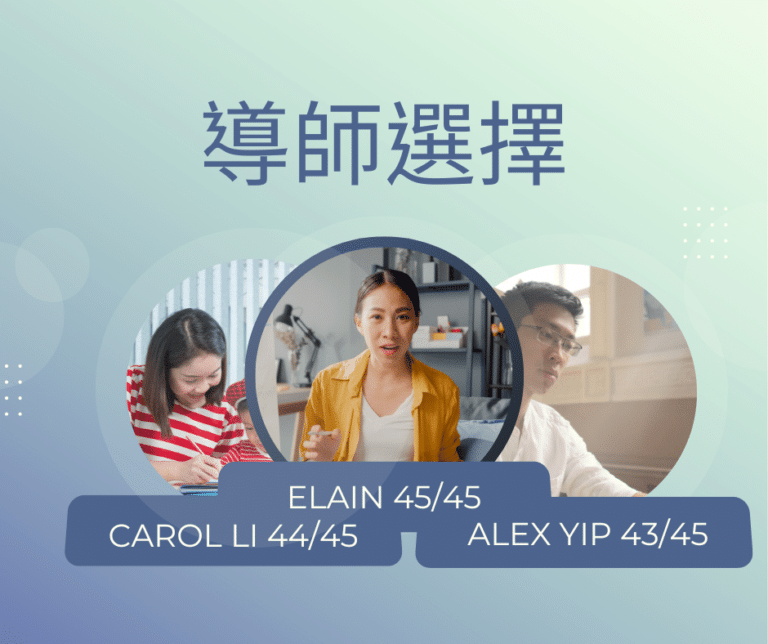
Current teachers with more than 15 years of teaching experience

15+ years tutoring experience PhD in Physics Specialising in IGCSE Science

More than 18 years of tutoring experience, Master of Mechanical Engineering, Polytechnic University

5+ years tutoring experience








Are you feeling anxious and stressed about your IGCSE Science exams? Would you like to find an effective way to improve your Science grades and build a strong foundation for your future university studies and career? If the answer is yes, then IGCSE Science tuition could be just the thing for you.
IGCSE Science is a challenging subject that requires students to master complex concepts and problem solving skills. Many students experience difficulties in their studies, which can lead to a decline in their grades. However, with professional IGCSE Science tutorials and Advanced Level Science programmes, students can receive targeted guidance and training to improve their Science results.

Statistics show that 90%'s GCSE/IGCSE students have achieved excellent grades of A or A* after tutoring. These students have not only excelled in their exams, but have also successfully entered top universities in the world such as Cambridge, Oxford, Columbia and Cornell. This proves the importance of Science tutoring to students' academic performance and future development.
So, how do you choose the right IGCSE Science tutor? Firstly, you should pay attention to the tutor's academic background and teaching experience. A good Science tutor is one who has graduated from a renowned university with a major in Science, and has a wealth of experience in teaching and learning. GCE IGCSE exam board The first step is to choose a tutor whose teaching style matches your own learning style so that you can better absorb and understand the knowledge. Secondly, choose a tutor whose teaching style matches your own learning style so that you can better absorb and understand the knowledge. Lastly, consider the reputation of the tutoring organisation and the fees charged, and choose a Science subject with a high price-performance ratio.
The IGCSE Science programme is an important part of the senior secondary science curriculum, designed to provide students with a solid foundation in science and to develop their scientific literacy and investigative skills. Through the systematic study of the basic concepts, laws and theories of Science, students are able to gain a deeper understanding of the workings of the Science world, and apply what they have learnt to analyse and solve practical problems.
The IGCSE Science programme covers all branches of Science, including mechanics, thermodynamics, electromagnetism, optics, atomic physics, etc. Students will study kinematics, gravitation, harmonic motion, laws of gases, laws of thermodynamics, electric and magnetic fields, circuit analysis, light reflection and refraction. Students will learn about kinematics, dynamics, gravity, harmonic motion, the laws of gases, the laws of thermodynamics, electric and magnetic fields, circuit analysis, reflection and refraction of light, fluctuations, and atomic structure. In addition, the programme also covers some modern science topics such as relativity and quantum physics.
The examination is usually divided into two parts: AS Level, which tests students' mastery of the fundamentals of science, and A2 Level, which focuses on students' ability to apply science principles to solve complex problems. The examination consists of a written test and a laboratory test, in which students are required to complete a paper and a laboratory experiment within a specified period of time.
The IGCSE Science programme has both compulsory and elective modules to meet the learning needs of different students. Compulsory modules cover the core content of Science, which is the fundamental knowledge that every student must master. The elective modules provide more specialised knowledge and applied skills that students can choose from according to their own interests and future directions.
Overall, the learning difficulty of IGCSE Science is higher than that of IGCSE, but it is a necessary path for students who wish to pursue a career in a Science-related profession. Through systematic learning and a lot of practice, students can comprehensively improve their science quality, laying a solid foundation for future university studies and career development.
When choosing an IGCSE Science tutor, it is important to consider the tutor's qualifications, teaching experience and teaching methods. A good Science tutor should not only have solid knowledge of Science, but should also have rich teaching experience and a flexible teaching style to meet the learning needs of different students.
The academic qualifications of IGCSE Science tutors are an important indicator of their expertise. The ideal tutor should have a university degree in Science or a related field such as Physics, Engineering or Applied Science. In addition, the instructor's teaching experience is a key factor. Experienced tutors have a better understanding of students' common learning difficulties and can provide effective solutions. Below are some statistics on the qualifications and experience of instructors:
| Instructor Qualification | Proportion |
| Bachelor Degree | 75% |
| Master's degree | 20% |
| PhD | 5% |
| Teaching experience | Proportion |
| 1-3 years | 30% |
| 3-5 years | 40% |
| More than 5 years | 30% |
Each student has a unique learning style and needs, so it is important for instructors to be flexible in their approach. Some students may prefer visual learning, while others may prefer hands-on learning. Good tutors adapt their teaching methods to the individual needs of their students to ensure that they fully understand the concepts being taught. Here are some common teaching methods:

In conclusion, finding a well-qualified and experienced IGCSE Science tutor with a flexible teaching style is crucial to improving your student's Science results. Parents and students should carefully evaluate the qualifications of the tutor and choose a tutor who can meet their individual learning needs.
IGCSE Science is a wide-ranging subject with abstract concepts and demanding experiments that place high demands on students' comprehension and application skills. Seeking IGCSE Science tuition can help students to better master the subject and improve their exam results. Here are some of the key benefits of IGCSE Science tuition.
Choosing a quality IGCSE Science tuition will enable students to achieve higher grades in a shorter period of time, laying a solid foundation for future learning and development.
Through the IGCSE Science tutorials, I have not only improved my exam results, but more importantly, deepened my understanding of Science concepts and stimulated my interest in Science. I have benefited a lot from the tutor's careful guidance.
The effectiveness of IGCSE Science tuition is closely related to the teaching level and experience of the tutor. Professional tutoring organisations usually have a number of experienced IGCSE Science teachers who are familiar with the characteristics and requirements of the IGCSE exams, and are able to provide personalised tutoring services according to the needs of the students, helping them to make breakthroughs in their IGCSE Science studies.
When choosing between IGCSE Science tuition, students and parents often weigh up the options of tuition classes and one-to-one tuition. Each has its own advantages and disadvantages, and the choice should be based on the student's actual situation and learning goals. Below is a detailed comparison between tutorials and one-on-one tutoring to help you make the best decision.
The main advantage of tutorials is that they offer a structured curriculum and comprehensive learning resources. Students are able to follow the teacher's progress and learn alongside other students within a set timeframe. This learning environment helps students develop teamwork and competitiveness. In addition, tutorials are usually more affordable and suitable for families on a budget.
However, there are some disadvantages to tutorial classes. Due to the large class size, it is difficult for teachers to cater for the individual needs of each student. Learning progress may also be limited by the level of the class as a whole, making it impossible to meet the special needs of some students. In addition, tutorial classes lack flexibility as the time and location of the classes are relatively fixed.
The biggest advantage of one-to-one tutoring is that it offers a completely personalised learning experience. The tutor can create a customised teaching plan based on the student's characteristics and needs, and focus on the student's weak areas. Students can ask questions at any time and receive timely answers and feedback. This highly interactive learning approach helps students to improve their grades quickly.

The main disadvantage of one-to-one tutoring is the price. As tutors need to invest a lot of time and effort, the cost of one-to-one tutoring is usually higher than that of tutorial classes. In addition, the lack of interaction with other students in one-on-one tutorials may affect the development of social skills.
| Compare items | cram school | One-on-one tutoring |
| course structure | Standardised and suitable for most students | Individualised and tailored to the student's characteristics. |
| Learning Resources | Comprehensive, but perhaps not in-depth enough | Focused, in-depth presentation |
| Teacher-Student Interaction | Limited to cater for every student | Sufficient, ready to answer questions |
| learning progress | Unified, may be limited by the overall level of the class. | Flexible and adjustable according to students' needs. |
| price | Relatively affordable | Higher, but better price/performance ratio. |
TigerCampus offers one-to-one private IGCSE Science lessons where students can learn at their own pace and level of difficulty. A personalised approach ensures that students continue to progress and receive the individual attention they need to succeed in their studies, and IGCSE tutors will work with students to meet their unique learning needs and provide the support and guidance they need to achieve their academic goals.
Generally speaking, tutorial classes and one-to-one tutoring have their own advantages and disadvantages. Students and parents should weigh the advantages and disadvantages of tutorial classes and one-on-one tutorials according to the actual situation, such as learning objectives, personal characteristics, time arrangement and budget, etc., and choose the tutorial method that best suits their needs. Regardless of which method you choose, persistence in learning and active co-operation with the teacher's guidance are the keys to achieving good results.
When choosing an IGCSE Science tutor, parents and students need to consider a number of factors, including the quality of the tutors, the fees charged and the course arrangements. A good tutor should have a team of experienced tutors with high teaching standards, and offer reasonable fees and flexible timetables to meet the needs of different students.
The quality of the tutors in a tutorial organisation is one of the key factors affecting the effectiveness of the teaching. Good Science tutors usually have the following characteristics.
Apart from the qualifications of the tutors, the overall reputation of the organisation is also an important factor to consider when choosing a tutor. Parents and students can find out about the reputation of a tutorial centre through the following channels.
The fees charged by different tutorial organisations may vary considerably. When choosing a tutor, parents and students need to weigh the price-performance ratio according to their own financial situation and teaching needs. Here are some reference figures.
| Type of tutoring | Rate (per hour) | Remark |
| One-on-one tutoring | HKD 235 - HKD 500 | Depends on the qualification and experience of the tutor |
| High-end One-to-One Tutoring | HKD 400 - HKD 650 | Includes travelling expenses |
| Group Tutoring | HKD 150 - HKD 300 | The number of people in a group is usually 3-6. |
Apart from the cost, the tutor's timetable is also an important point to consider. Ideally, tutorials should complement the student's school programme to avoid time clashes or overloading the student. Some organisations offer weekend or evening tutorials to meet the different needs of students.
Choosing a quality IGCSE Science tuition provider will not only help students to consolidate their Science knowledge and improve their problem solving skills, but will also boost their confidence and interest in learning. Parents and students need to consider all factors to make the best choice for their academic development.
When facing the challenges of the IGCSE Science exam, it is important to have a sound preparation strategy. Students can excel in the exam by mastering the question types and strengthening their skills in laboratory work and data analysis. Here are some effective strategies to prepare for the IGCSE Science exam:
Familiarising yourself with the question types and answer techniques used in the IGCSE Science exam is the key to achieving high marks. Students should carefully analyse past papers to understand the format of the exam, the types of questions and the common test points. By practising different types of questions, students can improve their speed and accuracy. It is also important to avoid common pitfalls in exams, such as always showing all steps and allocating time wisely.

In the IGCSE Science exam, a large proportion of the exam is devoted to laboratory work and data analysis skills. Students need to improve their experimental skills and data processing ability through a lot of practice. Participating in classroom experiments and completing experiment reports are effective ways to practice practical skills. At the same time, students also need to master the methods of data analysis, such as drawing graphs and calculating errors, so that they can answer the relevant questions accurately in the examination.
Practical work is essential to achieving good results in IGCSE Science, helping to understand and apply theoretical concepts.
In order to excel in the IGCSE Science exam, students need to focus on the right preparation strategies in the three months leading up to the exam. By scheduling your time well and studying both Science and other subjects, you can maximise your results in the limited time available.
| Preparation Stage | Key Tasks |
| Foundation consolidation period (3 months before the examination) | Reviewing basic knowledge, mastering key concepts, and strengthening mathematical skills. |
| Intensive training period (1-2 months before the examination) | A large number of practice papers to improve the speed and accuracy of problem solving and to practise experimental operations. |
| Sprint stage (1 month before the exam) | Summarise your mistakes, check for flaws, adjust your mindset, and simulate the exam. |
All in all, success in the IGCSE Science exam is dependent on a scientific preparation strategy. By mastering the examination question types and strengthening the ability to analyse experiments and data, students will be able to achieve the desired results in the examination, laying a solid foundation for their future learning and development.
Science tutorials have their own unique characteristics, and there are some obvious differences between tutorials for other subjects. Firstly, the IGCSE Science programme covers all areas of Science, including mechanics, electromagnetism, thermodynamics, atomic physics, etc. The content is rich and in-depth. Students need to have a deep understanding of Science concepts and apply their mathematical knowledge to solve complex problems. Therefore, Science tutorials require tutors with solid Science background and rich teaching experience to help students master Science principles and problem solving methods.
Secondly, compared with other subjects such as Mathematics, Science pays more attention to conceptual understanding and experimental skills, and students not only need to master Science formulas and calculations, but also need to verify theoretical knowledge through experiments. Not only do students need to be familiar with Science formulas and calculations, but they also need to verify their theoretical knowledge through experiments, and Science tutorials should emphasise on hands-on training to help students develop their scientific thinking and practical skills. Good science tutors will design interesting and challenging experiments to stimulate students' interest in learning.
Science is different from other subjects in that the IGCSE Science exam consists of multiple-choice, arithmetic and experimental questions, and science tutorials should be tailored to improve students' question-answering skills and time management. At the same time, Science tutorials also need to pay attention to the students' psychological state, helping them to build up self-confidence and overcome their anxiety.
"Science is a very interesting and challenging subject that requires students to have a good foundation in science and logical thinking skills. Quality Science tutoring not only improves students' Science grades, but also develops their scientific literacy and creativity." - Experienced Science Tutors
In conclusion, Science tutoring is very different from other subjects in that it requires a professional team of tutors, a comprehensive curriculum design, and attention to the individuality of the student. Choosing the right Science tuition provider can help students achieve excellent results in their IGCSE exams and lay a solid foundation for their future academic and career development.
In IGCSE Science tuition, students need to learn the right way to really improve their Science results. A good approach to Science learning includes conceptual understanding, problem solving skills and regular revision and practice.
The key to learning IGCSE Science is to understand the basic concepts and principles rather than memorising formulas. Excellent Science tutors will help students to sort out the logical relationships between Science concepts and understand the meaning and application of each Science law. At the same time, the tutor will also teach students the ideas and techniques of solving science problems to improve their problem solving skills.
"The core of Science learning is conceptual understanding, and only when we truly understand the principles of Science, we can use our knowledge flexibly to solve problems." said Mr Lee, Senior Science Tutor of TigerCampus. - TigerCampus Senior Science Instructor Mr Li
IGCSE Science covers a wide range of topics and students need to revise regularly to consolidate what they have learnt. The tutor will guide students to develop a scientific revision plan and systematically review each topic. At the same time, doing past papers is an effective way to improve examination results. Under the guidance of the tutor, students should practise different types of exam questions in a targeted manner to improve the speed and accuracy of their answers.
| IGCSE ScienceTutoring Services | Fee Range (per hour) | Service Features |
| TigerCampus Online Tutoring | HKD 235 - 500 | Individualised course plan, after-school report |
| TigerCampus Face-to-Face Tutoring | HKD 400 - 650 | SMS/Email Appointment Reminder |
In conclusion, in IGCSE Science tuition, students need to master the correct learning methods under the guidance of their tutors, including conceptual understanding, problem solving and regular revision and practice. Only by consolidating their knowledge and improving their problem solving skills will they be able to excel in the IGCSE Science exams.
In IGCSE Science, developing good study habits and actively participating in classroom discussions and interactions are key to improving your results. Here we will discuss these two aspects in detail to help students achieve better results in Science learning.
Good study habits are an important foundation for improving your science grades. First of all, students should develop the habit of studying before class and reviewing after class. Pre-study can help you better understand the content of the class, while revision helps to consolidate knowledge and identify problems. Secondly, it is also a good habit to make a reasonable study plan. According to their own learning progress and weaknesses, targeted arrangement of learning time and content, can get twice the result with half the effort. In addition, it is also very important to develop the habit of taking notes and sorting out mistakes, so that you can deepen your understanding and memory of the knowledge points.
Classroom participation is another important aspect of science learning. Active participation in class discussions and interactions will help you better understand science concepts and increase your interest in learning. Don't be afraid to ask questions or express your ideas in class. Discussions and exchanges with teachers and classmates can help you see problems from different perspectives and inspire new ideas. In addition, completing the homework and exercises assigned by the teacher is also a form of classroom participation. Through homework, you can find and solve problems in time and consolidate what you have learnt.
Science requires consistent effort and a proactive attitude. With good study habits and active participation in the classroom, you are sure to achieve the desired results in the IGCSE Science examination.
In addition to the above two points, choosing a good science tutor is also an effective way to improve your grades. A professional tutor can provide you with personalised advice and guidance based on your learning situation, helping you to learn Science more efficiently and improve your problem solving skills.
| promoteScienceMethods of Achievement | practice |
| Develop good learning habits | Pre-study before class and revision after class; make a reasonable study plan; take notes and sort out mistakes. |
| Actively participate in classroom discussions and interactions | Ask questions and express ideas; discuss and communicate with teachers and students; complete homework exercises seriously. |
| Choose a professional Science tutor. | Provide personalised study advice and guidance; help to improve problem solving skills |
Tutor Li Ming

Science is the cornerstone of many STEM fields (Science, Technology, Engineering, Mathematics) and has a significant impact on students' future university choices and career development. With IGCSE Science tuition, students will not only improve their exam results, but also lay a solid foundation for future studies in engineering, physics, astronomy and more.
Here are a few breakdowns of how Science tutoring can help students succeed in their future college professions.
Below is a real case study of a student who achieved excellent results in IGCSE Science and successfully applied to a top university to study engineering.
Mr Lee took Mathematics, Science, Chemistry and Further Mathematics as his IGCSE subjects. By taking Science tutorials, he achieved an A* in Science at AS level. At A2 level, he not only achieved A* in Maths and Further Maths, but is also on track to achieve an A in Science, and with his outstanding results and all-rounded qualities, he eventually received an offer of a place in the Engineering programme at Imperial College of Science and Technology.
| University Profession | ScienceApplications in the Profession |
| 機械工程 | Science concepts such as mechanics, thermodynamics and hydrodynamics are widely used in mechanical design and manufacturing. |
| Electronic Engineering | Science theories such as electromagnetism, semiconductor physics, and signal processing are the foundation of electrical engineering. |
| Materials Science | Solid State Physics, Thermodynamics, Quantum mechanics and other Science knowledge is used to study the structure, properties and applications of materials. |
| aerospace engineering | Science principles such as hydrodynamics, aerodynamics and orbital mechanics are widely applied to aircraft design and manufacturing. |
In short, IGCSE Science tutoring not only helps students to improve their examination results, but also opens the door to their ideal universities and professions. Through systematic learning and training, students will be able to master the core knowledge and skills of Science, develop logical thinking and problem-solving skills, and lay a solid foundation for future learning and development in the STEM fields.
For many students and parents, IGCSE Science tuition is an important way to improve their grades and learning efficiency. However, when choosing a tutor, you will inevitably have some questions and concerns. Below are some answers to some of the FAQs about Science tutoring, which we hope will provide you with a reference.
Tutoring time is one of the most important concerns of students and parents. Generally speaking, it is more appropriate to arrange 2-3 Science tutorials per week, each lasting 1.5-2 hours. Of course, the specific frequency and length of tutorials will depend on the student's actual situation. For example, if a student's foundation in Science is weak, or if an exam is approaching, the frequency of tutorials can be increased appropriately. For students with good grades, 1-2 tutorials per week is sufficient.
In addition to the frequency of tutoring, the timing of tutoring is also important. It is recommended that tutorials be conducted at times when students are more energetic and productive, such as weekends or after school. At the same time, it is important to avoid clashing with other important activities or homework.
Evaluating the effectiveness of tutoring is the key to determining the quality of tutoring and adjusting the tutoring programme. Here are some ways you can assess the effectiveness of your Science tutorials.
Parents should also maintain regular communication with their Science tutor to understand their student's learning progress and shortcomings. If necessary, the tutoring programme can be adjusted to better meet the student's needs and help him/her achieve the desired results in the IGCSE Science exams.
Experienced Science tutors have accumulated a lot of valuable knowledge during their years of teaching.Teaching experienceThey have an in-depth understanding of the key points and difficulties of the IGCSE Science programme. They have an in-depth understanding of the key points and difficulties of the IGCSE Science programme, and are able to design a highly effective Science programme that is tailored to students' individual characteristics and learning needs.Tutoring CasesThe tutors help students break through bottlenecks and improve their science scores through personalised teaching programmes. Through personalised teaching plans, tutors help students break through bottlenecks in learning and improve their Science results.

I once tutored a student who was weak in Science. Through a detailed analysis of his learning situation, I found that he had difficulties in understanding Science concepts and problem solving. Therefore, I designed a set of step-by-step teaching programme to address his weaknesses. I used vivid examples and experimental demonstrations to help him establish Science concepts, and strengthened his problem-solving skills through a large number of practice problems. After a period of tutoring, this student's Science score improved significantly and he achieved excellent results in the examination.
Another experienced Science tutor shared the following teaching tips.
- Understand the learning characteristics and needs of each student, and tailor the teaching to the students' needs.
- Stimulate students' interest in learning through lively and interesting teaching methods.
- Repeated lectures and exercises on key points and difficulties.
- Conduct regular tests and evaluations to adjust teaching strategies in a timely manner.
studentstudent feedbackIt is an important basis for evaluating the effectiveness of Science tutoring. After receiving tutoring, many students have not only improved their Science grades, but also increased their interest in learning and self-confidence. The following is a genuine feedback from a student.
Under the tutor's careful guidance, my understanding of Science has become more thorough. The tutor's lively and interesting teaching methods have helped me to develop a strong interest in Science. Through a lot of practice and tests, my problem solving skills have improved significantly. In the IGCSE Science exam, I got an A* grade, thanks to the tutor's professional counselling.
In short, a good Science tutor will be able to draw on a wealth of knowledge and experience.Teaching experienceand personalised ScienceTutoring CasesThe aim of the programme is to help students to achieve the desired learning outcomes.student feedbackProfessional Science tutoring has been proven to be crucial in improving IGCSE Science results.
GETUTOR offers free private on-site IGCSE tutoring.
To help students achieve better results in their IGCSE Science exams, GETUTOR provides parents and students with high quality private tutors free of charge. Our tutors are carefully screened and interviewed to ensure that they have an excellent academic background and extensive teaching experience. With GETUTOR, you can easily find the best Science tutor to suit your child's needs.
Instructor Qualifications and Teaching Experience
Most of the IGCSE Science tutors on GETUTOR's platform are graduates of renowned higher education institutions such as the University of Hong Kong and the Chinese University of Hong Kong, and some of the tutors even have qualifications from prestigious overseas universities. They not only have a solid foundation in Science theories, but also have rich teaching experience and are able to develop targeted teaching plans based on students' individual circumstances.
Our tutors are former tutors who have worked in tutorial centres or have many years of private tutoring experience. They know the key points of the exams and the techniques of answering questions, and can help students break through the bottlenecks in learning and perform at their best in the exams. Parents can view each tutor's detailed qualifications and teaching experience on the GETUTOR platform and choose the tutor that best meets their child's needs.
How to Apply for Trial Teaching and Select a Tutor
In order to help parents and students feel more confident in choosing a tutor, GETUTOR provides a tutor trial service. You can apply for a tutor trial and choose your favourite tutor by following the steps below:
- Browse IGCSE Science on the GETUTOR platformPersonal information of tutors, their academic qualifications, teaching experience and professional expertise.
- Select the tutor you are interested in, click the "Apply for Trial" button, and fill in the student's basic information and trial requirements.
- A GETUTOR customer service representative will contact you within 24 hours to arrange a time and place for a trial lesson.
- Participate in a trial programme to assess the instructor's teaching standard and interaction with students.
- If you are satisfied with your Science tutoring, you can discuss a long-term tutoring plan with your tutor and set up a class schedule. If you are not satisfied, you can apply for another tutor.
Through Science Trial Service, parents and students can have a more intuitive understanding of the tutor's teaching style and methodology, and choose the most suitable tutor. GETUTOR's free trial service gives you the opportunity to meet with the tutor face-to-face before deciding on the long-term tutoring to ensure the effectiveness of the tutoring and the learning experience.
Serve describe Free Tutor Recommendation According to students' needs, we recommend a number of excellent IGCSE Science tutors for selection. Private Tuition Instructors come to your home to provide one-on-one science learning guidance. Free Trial Arranging trial lessons between students and tutors to understand the teaching style and interaction. Flexible Tutoring Hours Arranging suitable tutorial sessions according to students' timetables Bespoke teaching programmes The instructor will develop a personalised teaching plan based on the student's Science learning level and goals. GETUTOR's free IGCSE Science tutor referral service has helped my child find an excellent on-site Science tutor. The tutor not only has a strong academic background and rich teaching experience, but is also very patient and responsible. During the tutoring process, my child's Science grades and interest in learning have improved significantly, and I am very satisfied with GETUTOR's service!
- Ms Cheung, Hong Kong ParentChoose GETUTOR to help your child excel in IGCSE Science exams! We match you with the most suitable tutors for free and provide quality on-site tutoring services. Apply for a tutor trial today and help your child's science learning journey!
ScienceImpact of tutorials on students' mental health
The stress of studying the IGCSE Science programme can have a negative impact on a student's mental health. Faced with the pressure of heavy coursework and exams, many students feel anxious and stressed. However, seeking Science tuition can be an effective way to alleviate these problems.
Reduce exam stress and anxiety
Professional Science tutors not only impart knowledge, but also provide psychological support and encouragement to students. Through personalised coaching and targeted practice, students will be able to better grasp Science concepts and problem solving skills, thereby improving their exam results. This improved performance helps to alleviate students' stress and anxiety, making them more confident and comfortable when facing exams.
Increase interest and confidence in learning
Science tutorials also help students to build up their confidence and interest in learning Science. When students make progress through Science tutorials and get good grades in exams, they will have a more positive perception of their own learning ability. This boost in self-confidence will inspire students to explore the world of science and make them more actively engaged in their studies. At the same time, Science tutors can also make students feel the fun of Science learning through lively and interesting teaching methods, which will further enhance their interest in learning.
Overall, Science Tutoring not only helps students to improve their academic performance, but also has a positive impact on their mental health. By reducing exam stress and increasing confidence and interest in learning, Science Tutoring enables students to maintain a good mental state during the learning process, supporting their overall development.
FAQ
IGCSE ScienceWhat is the scope of the examination?
The IGCSE Science examination covers all aspects of Science, including mechanics, electromagnetism, heat and atomic physics. Science focuses more on conceptual understanding and practical skills than other subjects such as Maths.
Learning IGCSE ScienceWhat's the trick?
When studying IGCSE Science, students need to focus on conceptual understanding and problem-solving skills. Regular revision and practice of past papers is an effective way to consolidate what they have learnt and improve their examination results. Developing good study habits, such as preparing and revising, and actively participating in classroom discussions and interactions, can also help to improve your Science results.
Learn IGCSE ScienceWhat's in it for the future?
Science is a foundation subject for many of the STEM fields (Science, Technology, Engineering and Mathematics). Studying IGCSE Science provides a good foundation for future studies in engineering, physics, astronomy, etc. Science develops logical thinking and problem-solving skills that are widely used in a variety of industries.
joinScienceWhat do I need to know about tutoring?
The duration and frequency of tutorials depend on the specific situation of the students. Generally, it is recommended that tutorials should be conducted 1-2 times per week for 1-2 hours each time. The effectiveness of the tutoring programme can be assessed by the students' performance in class, the quality of their homework and their examination results. Regular communication with the tutor and adjustments to the tutoring programme can help students achieve their learning goals.
How to chooseScienceTutor?
When choosing a Science tutor, you need to consider whether the tutor's academic background, teaching experience and teaching style are suitable for you. Through years of teaching practice, experienced Science tutors have accumulated a wealth of teaching experience and methodology. Our tutors will design a personalised teaching plan based on the student's characteristics and needs to help the student improve his/her science grades. Student feedback and performance improvement is the best proof of the effectiveness of the tutor's teaching.
How does GETUTOR provideScienceTutoring Service?
GETUTOR provides parents and students with free IGCSE Science tutors who have undergone rigorous screening and interviews. Parents can view the tutor's detailed qualifications and teaching experience to choose the most suitable tutor. GETUTOR offers free trial lessons, after which parents can decide whether or not to continue to hire the tutor for long-term tutoring.
joinScienceWhat is the psychological impact of tutorials on students?
IGCSE Science exams are stressful and can easily cause anxiety and nervousness in students. Professional Science tutors not only impart knowledge, but also provide psychological support and encouragement to students to reduce the pressure of exams. Through tutoring, students can build up their confidence and interest in science.
由 GETUTOR 升學研究組撰寫 | 數據來源:GETUTOR 內部配對紀錄(2024-2026)
每年 9 月一開學,GETUTOR 後台就會收到一堆來自國際學校同私校家長嘅查詢,問同一條問題:「我個仔/女讀 IGCSE Science,究竟搵邊種導師好?」根據 GETUTOR 後台 2024-2026 全港 IGCSE 配對紀錄,過去兩年我哋處理咗約 8,150 宗 IGCSE 相關配對,當中 Science 三科(Physics、Chemistry、Biology)合共佔 31% 左右,僅次於 Maths Extended。
但係呢科有個好特別嘅地方——平均配對時間長達 6.2 小時*,係 GETUTOR 全部科目入面排名第二慢(最慢係 其他國際學制 HL)。點解咁難配?因為 IGCSE Science 唔係淨係識教 其他國際學制 Chem/Phy/Bio 就掂,仲要分得清 Edexcel 同 Cambridge(CIE)嘅 syllabus 差異,亦要識用全英文教材,仲要識按學生係考 Extended 定 Core 而調整教學深度。
*統計自 GETUTOR 後台 2024-2026 全港 IGCSE 配對紀錄,樣本約 2,520 宗
呢個位 Google 搜出嚟嘅資料好亂,因為兩個考試局每幾年就改一次 spec。我哋叫住喺 GETUTOR 平台教咗 6 年 IGCSE Science、香港科技大學物理系畢業、現職全職私補嘅 Mr. T(按導師私隱要求使用化名,導師資歷已獲 GETUTOR 平台認證)幫手梳理:
「全港頂尖 其他國際學制/IGCSE 學校(例如英基系、ESF 同某啲私立國際學校)、教學年資 6 年嘅 Mr. T 指出:『家長最常搞錯嘅,係以為 Edexcel 一定簡單啲,Cambridge 一定深啲。其實 2024 年改制之後,兩個 board 嘅 Extended Paper 難度差距已經收窄到差唔多,反而出題風格嘅分別先係影響學生攞唔攞到 A* 嘅關鍵。』」
| project | Edexcel IGCSE Science | Cambridge (CIE) IGCSE Science |
|---|---|---|
| 分卷結構 | Paper 1(Core)+ Paper 2(Extended) | Paper 1/2(Core)+ Paper 3/4(Extended)+ Paper 6(Alternative to Practical) |
| 實驗考核 | 合併喺 Paper 入面,冇獨立 practical paper | 有獨立 Paper 5(Practical)或 Paper 6(Alternative) |
| 出題風格 | 計算題比例高,數字較直接 | 應用題多,要解釋現象,文字答題較多 |
| Grading | 9-1(new system)或 A*-G(部分仍用) | A*-G 為主,部分轉用 9-1 |
| 香港學校多用 | 英基系、部分私立國際學校 | 德瑞、漢基、新加坡國際等 |
呢個位最伏。Core 最高只可以攞 Grade C(或者 9-1 制嘅 5),如果你個仔/女將來想入 其他國際學制 DP HL Science,或者 其他國際學制 揀 Sciences,99% 大學都要求 Extended Grade B 或以上。但係好多家長見到 Core 表面上「易啲」就揀 Core,到中四中五先發現升唔到 其他國際學制 HL,嗰陣就 唔掂。
根據 GETUTOR 配對紀錄,過去兩年大約有 18% 嘅家長係喺中四上學期先嚟搵私補幫手由 Core 轉 Extended*,呢類個案普遍要密集補 4-6 個月先追得返。
*基於約 460 宗中途轉軌個案統計
「IGCSE Science 同 其他國際學制 最大分別,係佢好鍾意問 application question——即係畀你一個現實 scenario,要你用課本概念解釋。例如 Cambridge Bio Paper 4 試過問:『點解海洋酸化會影響珊瑚?』呢條題目課本冇直接寫,但係如果你識 carbon cycle + calcium carbonate solubility,就 link 到。」
Mr. T 教學生用「三層拆題法」:
呢套方法外面雞精班好少教,因為大班導師通常齋操 past paper,唔會逐個學生睇佢答題思路。
每堂 1.5 小時計,以下係 GETUTOR 導師按過去個案中位數整理:
| 科目 / Chapter | 建議堂數 | difficulty |
|---|---|---|
| Physics – Forces & Motion | 5-7 堂 | ★★★★ |
| Physics – Electricity & Magnetism | 6-8 堂 | ★★★★★(最難) |
| Physics – Waves | 3-4 堂 | ★★★★★ |
| Chemistry – Mole Calculation | 4-6 堂 | ★★★★ |
| Chemistry – Organic Chemistry | 5-7 堂 | ★★★★ |
| Chemistry – Acids, Bases & Salts | 3-5 堂 | ★★★★★ |
| Biology – Genetics & Inheritance | 5-6 堂 | ★★★★ |
| Biology – Human Physiology | 6-8 堂 | ★★★★ |
| Practical / Alternative to Practical | 4-5 堂 | ★★★★(最易被忽略) |
*堂數為導師建議中位數,實際因學生程度而異
| index | data |
|---|---|
| 試堂後繼續上堂比率(全港平均) | 81% |
| 導師平均教學年資 | 4.6 年 |
| 持有 STEM 相關學位比率 | 74% |
| 曾任職國際學校 / 國際課程經驗 | 38% |
| Average Matching Time | 6.2 小時 |
| GETUTOR 平台認證 IGCSE Science 導師數量 | 約 12,470 位(涵蓋全部 其他國際學制 / IGCSE / 其他國際學制 / 其他國際學制) |
差好遠。IGCSE Chemistry 嘅 organic chemistry 比 其他國際學制 淺,但係 mole calculation 同 electrolysis 嘅出題深度反而高過 其他國際學制 Core。如果搵咗個齋識 其他國際學制 嘅大學生,佢可能連 Cambridge Paper 6 嘅 practical 題目格式都未見過。
Cambridge Paper 5/6 佔總分 20%,但係因為香港好多國際學校學生都揀 Alternative to Practical(Paper 6),覺得「唔使做實驗」,於是完全冇練習。根據 GETUTOR 後台,Paper 6 嘅平均失分率高達 43%*,係全卷最 weak 嘅一張。
*基於約 380 宗 IGCSE Chemistry 個案 mock 數據
“State” 同 “Explain” 嘅分數差兩倍。”State” 答一句就夠分,”Explain” 要寫 reasoning chain。好多學生 state 嗰度寫晒 essay 浪費時間,explain 嗰度又寫得太短,兩邊都失分。
由 Cambridge 中途轉 Edexcel(或者反過嚟)幾乎一定失分。因為 syllabus 雖然九成相似,但係出題風格、mark scheme 寫法、甚至 formula sheet 入面有冇某條公式都唔同。除非 must,否則唔好轉。
| time | 預期進度 |
|---|---|
| 第 1-2 堂 | 導師評估弱項,搞清楚係 syllabus 唔熟定 exam technique 唔掂 |
| 第 3-4 堂 | 核心 chapter 概念通,識畫主要 diagram(free
 
  需要為子女配對合適嘅補習導師?GETUTOR — 全港最大上門補習中介,免費配對,零中介費,現職老師+8 大院校學霸 30,000+。


1
Click the button below to get the assistance of the staff 👩💻👨💻 Or submit a tutoring case immediately🥰 Click here to contact customer service
25% Off Trial Lesson
discount countdown
剩下 3 名額
23:59:59
Free Matching Now
|