

Government registered child care workers and teachers

BA, University of Hong Kong

More than 20 years of experience in teaching piano, music theory and AURAL

More than 20 years of experience
Queensland Conservatorium of Music








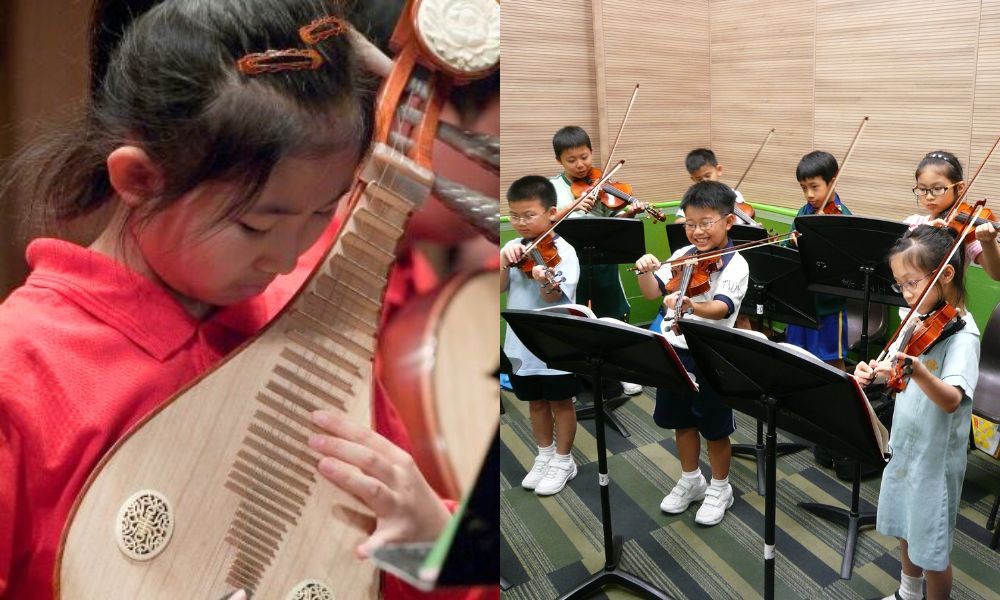
Whether you want to learn piano, violin, guitar, or any other instrument, GETUTOR's professional team of music tutors can provide you with high-quality one-on-one private tuition courses. Our instructors all have many years of teaching experience and can tailor appropriate teaching content according to the students' level and needs to help them master performance skills and improve their musical attainments.
At GETUTOR, we are committed to creating flexible and diverse music class options to meet the learning needs of different students. Whether you are a kindergarten, primary school, secondary school student, or an adult who wants to learn music, we can arrange suitable instrument classes and courses for you. Students can choose the most convenient tutoring time according to their own schedule and enjoy one-on-one professional music instruction.

Choosing GETUTOR's music classroom not only allows you to obtain high-quality teaching resources and a professional teaching team, but also allows you to experience personalized learning plans and flexible class arrangements. Let us start your music journey together and experience the infinite charm of learning musical instruments!
Music enlightenment plays a vital role in children's growth and development. Through exposure to music, children can develop creativity, imagination and artistic sense, while also improving concentration and memory. Starting music education at an early age can lay a good foundation for future music learning. Therefore, parents should let their children get in touch with music as early as possible and choose appropriate musical instruments for learning.

In Europe, since the Middle Ages, children have been exposed to music education from an early age by participating in church activities that focus on church music. In China, children's music education takes various forms. Most children receive music enlightenment from family members, or become interested in music through various influences such as learning musical instruments, being exposed to folk songs and operas, etc. However, many children may not receive systematic music education in school, which may lead to a lack of basic music knowledge.
Proper music enlightenment education can promote children's cognitive development, emotional growth and physical coordination, and contribute to their all-round development. Music education can help balance the development of the left and right hemispheres of the brain and support children's intellectual growth. Music activities can stimulate children's body movements and promote their physical development. By appreciating music, children can develop emotional sensitivity, understand musical expression, and improve their emotional intelligence. Music education can also cultivate children's creativity, enabling them to interpret and express music through various forms such as singing, dancing, and playing musical instruments.
| Music Enlightenment Teaching Methods | Effect |
|---|---|
| Understand children's psychological characteristics and design teaching methods that are in line with their curiosity, attention and emotional response | Improve learning effectiveness |
| Create a good music education environment at home and in school | Positively impact children's learning experiences and outcomes |
| Incorporate rhythm training into music activities | Improve children's motor skills, memory and music appreciation |
| Organize parent-child activities and strengthen auditory training | Improve children's memory, imagination and musical participation |
| Choose the right musical instrument to enhance children's creativity and train them to create music | Promote innovation and self-expression |
Carl Witte, a famous early education pioneer, emphasized the importance of early education, pointing out that education from birth to 6 years old is crucial to a child's future development. Modern research also shows that early music education plays an important role in the overall development of children and can improve emotions, cognition, perception, intelligence and creativity. Different music teaching methods such as Dalcroze, Kodaiyi and Orff each have their own advantages and are widely used in the education industry.
Music education in early childhood contributes significantly to language skills, physical development, social-emotional growth, literacy skills, number concepts and perception of the world around them. The goals of the music curriculum are to develop language and communication skills, physical development, personality, social and emotional growth, literacy, number concepts and perception of the world. Emphasis is placed on incorporating diverse cultures into songs and rhymes, and on developing children’s creativity through singing and imaginative play. Musical activities help develop children's fine and gross motor and coordination skills. Music classes can help children build a positive self-identity and improve social skills through group activities. Exploring different instruments and styles helps children learn about cultural diversity and the world around them. The ultimate goal of early childhood music education is to prepare children for further music learning and to confidently participate in various music activities.
These data emphasize that systematic and comprehensive music enlightenment education for preschool children is crucial to promoting their all-round development, cognitive ability, emotional intelligence and creativity.
Learning music can not only cultivate sentiment, but also help improve intellectual development. Different musical instruments have different requirements for the learner's age, interests and abilities. Choosing an instrument that suits you can stimulate your enthusiasm for learning and make the process of music learning more enjoyable. Here are three of the most popular instruments: piano, violin, and guitar.

Piano is the basis of learning music and can train finger flexibility and sense of rhythm. The recommended age for learning piano is over 4 years old, and 3-6 years old is the golden period for learning. Piano classes are suitable for students who wish to develop a solid musical foundation. The investment required to learn piano is relatively high, generally around 10,000 to 20,000 yuan.
The violin is an elegant string instrument that helps develop hearing ability and coordination. The ideal age to learn violin is after the age of 5-6. The violin class is suitable for students who like classical music and have a good sense of pitch. Compared with piano, the cost of learning violin is lower, generally around 300-500 yuan.
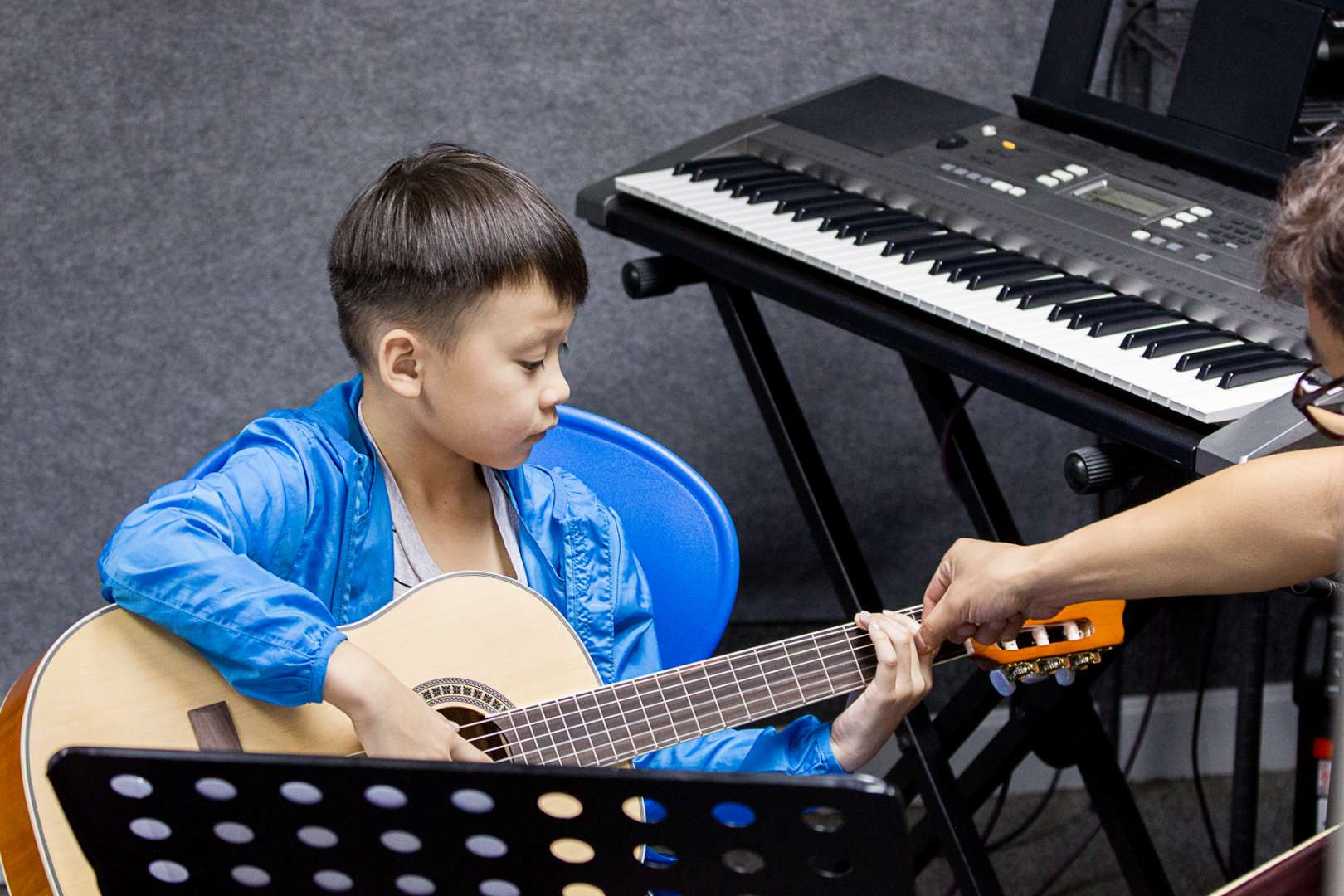
Guitar is a relatively casual instrument and is very popular among students who love pop music. The recommended age for learning guitar is around 5 years old, but children over 8 years old and adults are also very suitable for learning. The cost of guitar lessons is relatively low, an entry-level guitar only costs 100-300 yuan. Learning guitar can not only cultivate your interest in music, but also help relieve stress and expand your social circle.
| Musical Instruments | Recommended learning age | Cost of musical instrument investment | Suitable for students |
|---|---|---|---|
| piano | 4 years old and above | 10,000-20,000 Yuan | Students who want to build a solid musical foundation |
| violin | 5-6 years old and above | 300-500 Yuan | Students who like classical music and have good musical sense |
| Guitar | Suitable for 5 years old and above 8 years old | 100-300 Yuan | Students who love pop music and want to relieve stress and expand their social circle |
In general, choosing an instrument requires consideration of one's personality, interests, and abilities. Understanding the characteristics of different musical instruments and choosing the instrument class that suits you best can make music learning more efficient and enjoyable. Whether it is piano, violin or guitar, persistent learning can gain valuable musical accomplishment and all-round development.
Learning a musical instrument is a beneficial activity for both body and mind, but many parents wonder, what is the best age to start learning a musical instrument? In fact, children of different ages have their own advantages when learning a musical instrument. Children's music enlightenment in early childhood helps to cultivate their musical interest and sense of rhythm; while older children can begin systematic music training and learn specific musical instruments.
Generally speaking, 3-6 years old is the golden period for children's early music education. Children this age are curious and willing to try new things. Parents can cultivate their children's interest in music through various interesting music games and activities. Children aged 5-6 already have a certain level of concentration and physical coordination, and can start trying to learn musical instruments such as piano and violin.

7-12 years old is the best time to learn a musical instrument. Children of this age have more complete physical development, and their hand-eye coordination and memory have also greatly improved. Whether it is piano, violin, guitar or other instruments, you can start systematic learning during this period. Many music training institutions also offer special courses for children of this age group.
However, there is no absolute age limit for learning a musical instrument. Even adults can learn music and have fun with it as long as they have interest and perseverance.
The following table summarizes the appropriate age to learn several common musical instruments:
| Musical Instruments | Recommended learning age |
|---|---|
| piano | Age 5+ |
| violin | 4-8 years old |
| Guitar | Age 6 and above |
| Drum Set | Age 5+ |
| flute | 6-7 years old and above |
In general, the best age to learn a musical instrument varies from person to person. The key is to choose the right instrument and learning method based on the child's interests and characteristics. Parents should create a good music environment for their children, encourage them to take the initiative to explore and try new things. At the same time, they should also be careful not to put too much pressure on their children and make learning music a happy thing.
In the process of learning music, it is very important to choose a learning method that suits you. Private tutoring and class courses are two common forms of music learning, each with its own advantages and characteristics. Let’s take a closer look at the differences between private tutoring and group lessons to help you make the best choice.

Private tutoring adopts a one-to-one teaching model, and the tutor can provide personalized guidance and feedback based on the student's level and needs. This teaching method can maximize students' potential and help them master musical skills faster. In contrast, class-based courses usually adopt a unified syllabus, which makes it difficult to take into account the characteristics and progress of each student.
Private tutoring classes are very flexible and students can arrange their lessons according to their own schedules without being restricted by fixed class times. This is especially important for students with busy jobs or irregular schedules. Class-based courses usually have fixed class times, and students need to adjust their schedules according to the course schedule, which has relatively little flexibility.
In private tutoring, the course content and pace are determined entirely by the student's absorption capacity, and students' learning progress is often faster than in class courses. Tutors can focus on training students' weak points to ensure that students can master the knowledge they have learned at every stage. In class courses, students' progress may be affected by other students, resulting in lower learning efficiency.
| Music School | One-to-one course prices | Group course prices | Class Course Prices |
|---|---|---|---|
| Parkland Music | $130 – $280 | $130 (3-6 persons) | – |
| Star Music | $141 – $212 | $165 | Available |
| Flight Music | $108 – $171 | $108 – $171 | – |
| MC Music | $195 – $280 | $195 (2 persons) | – |
| Guitar Concept | $150 – $235 | $150 – $235 | Available |
| GETUTOR | $100 – $800 | – | – |
The table above lists the fees of several well-known music schools. It can be seen that the prices of private tutoring and group courses are generally higher than those of class courses. This is because private tutoring and group lessons offer more personalised and targeted instruction, and the learning outcomes are generally better. Of course, the specific fees also depend on factors such as the tutor's qualifications and experience, and the length of the course.
In general, private music tutoring and group music courses each have their own advantages and are suitable for students with different needs and budgets. For students who value teaching quality and learning progress, private tutoring or group lessons may be a better choice. For students with limited time and budget, class-based courses may be a more economical option. No matter which learning method you choose, the most important thing is to find a rhythm that suits you and practice persistently so that you can continue to make progress on the road of music.
When choosing private music tuition, parents and students need to consider many factors to ensure they receive high-quality teaching services. GoodQuality of Music TeachingIt is inseparable from a professional team of tutors, rich teaching experience and positive evaluations from students. The following points can serve as important references for choosing quality music tutoring:
An excellent music tutor should have a solid foundation in music theory and professional performance skills. They usually graduate from well-known music colleges and hold a bachelor's or master's degree in music or a diploma in related majors.Tutor QualificationsThe higher the level, the more systematic and standardized teaching content can be provided to students. For example, a senior tutor with 20 years of teaching experience is more proficient in controlling teaching materials and arranging courses. He or she can teach students in accordance with their aptitude and improve their learning efficiency.
In addition to professional qualifications, the instructorMusic Teacher ExperienceIt is also very important. Experienced tutors are well versed in various teaching methods and can adopt targeted teaching strategies based on students’ age, personality traits and learning level. For example, for children aged 3-4, the instructor will use lively and game-based teaching; for more advanced students, the emphasis will be on skill training and musical expression. Rich teaching experience enables tutors to meet the needs of different students and provide more personalized guidance.
Music Course EvaluationIt is another important indicator to measure teaching quality. By checking the feedback from students and parents, you can fully understand the tutor's teaching level and service attitude. Here are some data worth referring to:
| platform | Course Rating | Number of reviews |
|---|---|---|
| Tianmu Center | 5.0 | 253 |
| Linkou Center | 4.9 | 187 |
| Zhubei Center | 4.8 | 92 |
| Kaohsiung Center | 5.0 | 40 |
As can be seen from the table, the course ratings of most music tuition centers are above 4.8 points, and student satisfaction is very high. In addition, there are more than 20,000 student reviews on the AmazingTalker platform, demonstrating the good reputation of the tutors. Through these real user feedback, parents and students can more comprehensively evaluate the teaching quality of tutors and make wise choices.
When choosing private music tutoring, the tutor's qualifications, teaching experience and student evaluations are all important. Only by comprehensively considering these factors can we find high-quality music enlightenment education for children and let them fly freely in the world of music.
GETUTOR is committed to providing students with high-quality private music tutoring to help them make greater progress in their music learning. Our music courses adopt a one-to-one teaching model, where professional music instructors tailor personalized teaching plans based on the characteristics and needs of each student. Whether you want to learn to play piano, violin, guitar, or another instrument, GETUTOR can meet your needs.

GETUTOR's one-on-one music lessons allow students to receive careful guidance and attention from a tutor. The tutor will adjust the teaching content and pace according to the students' learning progress and absorption capacity to ensure that students can fully understand and master every knowledge point. During the one-on-one teaching process, students can fully interact and communicate with their instructors, and receive timely feedback and corrections, thereby improving their playing skills and level more quickly.
GETUTOR has a team of professional and experienced music tutors. Our tutors are graduates from renowned music schools and have professional music education and qualifications, such as a Bachelor of Music, Master of Music or a professional diploma. The instructors have many years of performance and teaching experience and are well versed in the performance techniques and teaching methods of various musical instruments. Whether helping students prepare for music exams or improving their performance, tutors are able to provide professional and targeted guidance.
| Tutor qualifications | Teaching experience | Professional expertise |
|---|---|---|
| Bachelor of Music, Master of Music | More than 9 years of teaching experience | Piano, violin, guitar and other instruments |
| Professional Music Diploma | Rich experience in one-to-one and group teaching | Vocal music, music theory, sight-singing, ear-training, etc. |
| Graduated from a famous music school | Taught students of all levels | Music exams, competitions, performances, etc. |
We understand that every student's schedule is different, so we provide a flexible class timetable so that students can choose the tutoring time according to their own schedule. Whether it's weekdays or weekends, daytime or evening, we can arrange a class time that suits you. The number and duration of classes per week can also be adjusted according to students' needs, making learning more flexible and convenient.
"GETUTOR's private music tuition is a great fit for me. The instructor is very professional and always gives guidance and suggestions based on my weaknesses. The one-on-one teaching has helped me make rapid progress, and the class time is also flexible and will not affect my other arrangements." - Student parent review
Whether you are a music lover or a student who wants to go further in the field of music, GETUTOR's professional team of tutors and personalized teaching plans can help you realize your musical dreams. Let us start your music journey together and feel the infinite charm and fun that music brings!
For many students studying music, taking music graded exams such as ABRSM and Trinity exams is an important way to test their learning outcomes. By taking these authoritative music exams, students can not only evaluate their own performance level, but also receive professional feedback and guidance to guide their future music learning.

The key to achieving excellent results in music exams is to develop a scientific study plan and practice strategy. Two to three months before the exam, students should increase the intensity of their practice and focus on practicing the exam pieces. It is recommended to practice 1-2 hours a day and spread the practice time into different periods of the day. During practice, we should pay attention to the control of pitch, rhythm, strength and timbre, and strive to play smoothly, accurately and expressively.
One month before the exam, students can start simulating exam scenarios and adapting to the exam atmosphere. You can invite teachers, parents or friends to act as "examiners" and play the entire examination piece in front of them to practice controlling nervousness and improve your ability to perform on the spot. At the same time, we must strengthen the study of sight-singing, ear training and music theory, which are important contents of music examinations.
Taking music grade examinations can not only improve performance skills, but also cultivate self-confidence and stage presence, which is of great benefit to the overall development of children.
Here is some specific advice on preparing for music exams:
In short, taking a music exam is a systematic and lengthy preparation process that requires students to devote a lot of time and energy. However, by taking authoritative music grade examinations such as ABRSM and Trinity exams, students can more comprehensively evaluate their music learning outcomes and lay a good foundation for their future music development.
Learning a musical instrument is a valuable educational investment. It not only cultivates children's artistic accomplishment, but also promotes their physical and mental development in an all-round way. Whether your child is learning piano, violin, guitar or another instrument, there are many benefits to be gained from it. Let’s take a deeper look at the positive impact that learning a musical instrument can have on a child’s development.

Playing a musical instrument is an activity that requires a high level of concentration. During the practice process, children need to concentrate fully and focus on the music score, rhythm, and techniques. Long-term practice can effectively improve children's concentration. This ability is not only crucial in music learning, but can also be extended to academics and other aspects to help children achieve better results.
Learning a musical instrument is a long process that requires children to devote a lot of time and energy. In the process of continuous practice, children will encounter various setbacks and difficulties, such as being unable to master a certain note, or a melody that is not smooth enough after repeated practice. At this time, children need to mobilize their patience and perseverance, overcome difficulties, and practice unremittingly. This kind of exercise can not only improve children's musical skills, but also cultivate their strong willpower and lay a good foundation for their future growth and development.
With continuous practice and progress, children's playing skills will improve. When children can play a piece of music fluently or give an excellent performance on stage, they will gain a great sense of accomplishment and pride. This positive emotional experience can greatly enhance children's self-confidence and make them believe that they have the ability to overcome difficulties and achieve their goals. At the same time, during the stage performance, children can also exercise their courage and adaptability, and learn how to face the audience, which also has a positive effect on the development of children's psychological quality.
| Musical instruments suitable for children to learn | Recommended starting age | Learning Benefits |
|---|---|---|
| piano | Age 5+ | Train finger flexibility and improve music literacy |
| violin | 4-8 years old | Cultivate hearing and enhance coordination |
| Guitar | Age 6 and above | Cultivate sentiment and develop social skills |
| Guzheng | 6-7 years old | Improve cultural accomplishment and exercise finger flexibility |
| Jazz Drums | Age 5+ | Develop a sense of rhythm and cultivate coordination skills |
In general, learning musical instruments has many positive effects on the all-round development of children. It can not only improve children's musical literacy, but also enlighten their intelligence, shape their character, and lay a good foundation for their future development. Therefore, parents should attach importance to their children's music education, provide them with opportunities to access and learn musical instruments, and help them thrive in the influence of music.
In recent years, more and more adults have begun to learn musical instruments and take music as a hobby. Compared to children, adults face some unique challenges in learning music, but they can also have a lot of fun and gain from it. Whether it is to relieve work pressure, cultivate sentiment, or simply out of love for music, learning music for adults is a very meaningful activity.
According to statistics, among a certain teacher's students, adult students account for 60%, of which 13% are able to persist in piano learning and make significant progress. These four students all performed well in terms of pitch, rhythm and musical expression. However, due to the differences in motor skills between adults and children, many adult students will encounter certain difficulties in the initial stages of learning.
Nevertheless, adult learners usually have clear learning goals, and once they have established their goals, they tend to show a high degree of determination. Many adult students have stronger logical thinking skills and can grasp learning strategies more quickly. During the teaching process, the teacher emphasizes that it is very important to start slowly and remain patient, which helps adult students make progress in music education.
The difficulty of learning different musical instruments also varies. Taking piano and violin as examples, the difficulty of violin in the initial stage is significantly higher than that of piano. This is because playing violin requires a high degree of coordination between the hands and a higher level of precision in the control of the instrument. Learning the violin requires mastering hand posture, bowing techniques, and maintaining the correct playing position, all of which can have a significant impact on the tone and hinder learning progress.
| Musical Instruments | Getting Started | Increase the difficulty |
|---|---|---|
| piano | medium | high |
| violin | high | high |
| Guitar | Low | medium |
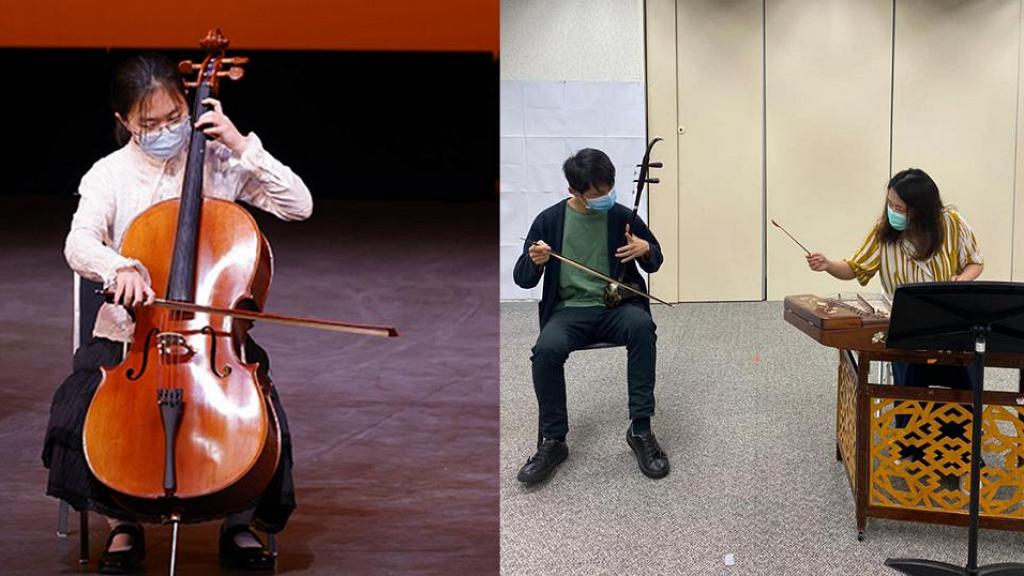
When choosing a musical instrument to learn, adult students need to consider many factors, including their own interests, physical conditions, musical tastes, etc. Piano, violin and classical guitar are known as the "noble trio" among musical instruments and are the most popular choices for adult learners. Other popular instruments include saxophone, erhu, guzheng, pipa, flute, dulcimer, accordion, jazz drums, etc.
Adults have different motivations for learning music. Some do it to meet the expectations of others, while others do it for utilitarian purposes. However, those who can ultimately persevere often do so out of their heartfelt love for music and musical instruments. Regardless of the motivation, learning music can bring many benefits to adults' lives, such as reducing stress, improving intelligence, and increasing social connections and self-confidence. Many adults find lasting joy and satisfaction in playing a musical instrument as a lifelong hobby.
Learning music is a continuous process. The key is to keep practicing and be patient. Don't expect to achieve success overnight, but learn to appreciate your own progress, no matter how small it is. As long as you persevere, you will be able to play a moving melody one day.
In general, although learning music as an adult faces challenges, it also brings more benefits. By learning music, adults can find their own space in their busy lives, cultivate their sentiments, relieve stress, and gain lasting happiness and a sense of accomplishment. No matter what your purpose is in learning music, as long as you have a love for music, you will definitely benefit a lot from it.
Hong Kong has rich and diverse music education resources, providing a wide range of learning opportunities for students who love music. Whether it is professional music training or a hobby, you can find the option that suits you.
The Hong Kong Academy for Performing Arts is one of Asia's top performing arts institutions of higher learning. It offers professional courses in music, dance, drama, etc., and has trained many outstanding musical talents. The college has first-class faculty and teaching facilities, providing students with comprehensive and systematic music education. The Hong Kong Academy for Performing Arts also regularly holds master classes, lectures and other activities, inviting internationally renowned musicians to interact with students.
The Hong Kong Philharmonic Orchestra is the most famous professional symphony orchestra in Hong Kong. It often holds high-quality concerts and performs famous classical music. In addition to performances, the Hong Kong Philharmonic Orchestra is also committed to promoting music education and organizing various activities to popularize music, such as youth concerts and instrument experience workshops, so that more people have the opportunity to come into contact with and understand classical music.
The Music Office under the Leisure and Cultural Services Department has launched the Youth Music Training Scheme to provide free professional music training to young people with talent and potential. Students have the opportunity to receive guidance from renowned musicians, attend master classes and music camps, and receive funding to participate in overseas competitions and exchange activities. This program provides a valuable learning and development platform for young people who are interested in a career in music.
| Institution Name | Course type | feature |
|---|---|---|
| Hong Kong Academy for Performing Arts | Professional courses such as music, dance, drama, etc. | Asia's top performing arts institution, with strong faculty, provides systematic and comprehensive music education |
| Hong Kong Philharmonic Orchestra | Youth concerts, instrument experience workshops, etc. | Hong Kong's most famous professional symphony orchestra, dedicated to promoting classical music |
| Youth Music Training Program | Professional music training | Providing free training and overseas exchange opportunities to talented young people |
In addition to the above institutions, Hong Kong also has many excellent music schools and training centers, such as the Hong Kong School of Music, the Hong Kong Youth Orchestra, etc., which provide diversified music courses for students of different ages and levels. Whether it is instrumental performance, vocal singing, music theory, or improvisation, you can find professional teachers to teach you carefully.
In general, Hong Kong has abundant music education resources, and you can find a suitable platform whether you are pursuing professional development or improving your hobbies. Choosing a high-quality music school will allow you to receive systematic and scientific training and continue to improve under the guidance of teachers. At the same time, you should also take the initiative to participate in various music activities, such as concerts, master classes, etc., to broaden your horizons and enrich your experience. With the help of Hong Kong's excellent music education environment, I believe that every student can find a stage to display their talents and realize their dreams on the road of music.
Music education has profound implications for personal growth and development. Learning music can not only improve artistic accomplishment, but also enlighten intelligence and shape character. Parents should support their children in learning music and provide them with opportunities to be exposed to music, but they should also respect their children's interests and wishes and not force them. Even if children do not choose music as a career, learning music can bring endless fun and inspiration to their lives.
In addition, music education should not be limited to children, adults can also learn music throughout their lives. Many great musicians, such as Beethoven and Mozart, devoted their entire lives to music. The importance of learning music lies not only in mastering performance skills, but also in feeling the beauty of music and cultivating sentiments. No matter when you start learning music, as long as you have passion and perseverance, you can gain a unique life experience.
In short, we should create a good music education environment so that more people have the opportunity to come into contact with music and feel the charm of music. Whether it is the cultivation of professional music talents or the practice of amateur hobbies, music education has irreplaceable value. Let us work together to support the development of music education and make music an indispensable part of everyone's life.
Learning a musical instrument can enlighten the intellect, improve concentration and memory, cultivate patience and perseverance, enhance self-confidence and adaptability, and at the same time cultivate sentiment and improve artistic accomplishment. Learning a musical instrument has many benefits for both children and adults.
Generally speaking, three to six years old is the golden period for learning music. Children of this age have rapidly developing brains, strong memories, and high learning abilities. The age of seven to twelve is a critical period for consolidating musical skills. It is not too late to start learning a musical instrument after the age of twelve. As long as you have interest and perseverance, you can still achieve good results.
Piano is the basis of music learning and helps to train finger flexibility and sense of rhythm. The violin can develop children's hearing ability and coordination. Guitar is a more casual instrument, suitable for students who like pop music. When choosing a musical instrument, in addition to considering the child's interests, you should also pay attention to the child's age and physical condition.
Compared with class-based courses, private tutoring has the advantages of high teaching quality, flexible class times, and fast learning progress. Private tutoring adopts a one-to-one teaching model, and the tutor can provide personalized guidance based on the student's level and needs. Students can have more interactions and exchanges with their tutors and receive timely feedback and corrections.
When choosing quality private music tutoring, the first thing to consider is the tutor’s qualifications. A good music tutor should have professional music education and qualifications. Secondly, the tutor’s teaching experience is also very important. Tutors with rich teaching experience can better grasp teaching methods and techniques. In addition, evaluations from students and parents are also important references when choosing tutoring.
Compared to children, adults face some unique challenges in learning an instrument, such as time constraints from work and family, and lack of finger dexterity and coordination. But at the same time, learning a musical instrument as an adult can be a lot of fun. They usually have clearer learning goals and are able to practice more focused and engaged. Learning music can help adults relieve stress and enrich their spare time.
Preparing for a music exam requires developing a scientific study plan and arranging practice time reasonably. Two to three months before the exam, you should increase the intensity of your practice and focus on practicing the exam pieces. One month before the exam, you can simulate the exam scenarios and adapt to the exam atmosphere. In addition to practicing playing skills, we must also strengthen sight-singing, ear-training and music theory knowledge. Taking music grade examinations can not only improve your performance level, but also cultivate your self-confidence and stage presence.
Hong Kong has rich music education resources. The Hong Kong Academy for Performing Arts is Asia's leading institution of higher learning in the performing arts. The Hong Kong Philharmonic Orchestra is Hong Kong's most famous professional symphony orchestra, regularly holding concerts and educational activities. In addition, the Music Office under the Leisure and Cultural Services Department has launched the Youth Music Training Scheme to provide professional music training for talented young people.
由 GETUTOR 升學研究組撰寫 | 數據來源:GETUTOR 內部配對紀錄
「阿仔學咗鋼琴三年,幾時可以考 Grade 5?」「細女想考 Trinity Violin,同 ABRSM 有咩分別?」呢啲問題,GETUTOR 客服團隊幾乎每日都收到。音樂補習同一般學術科目唔同 — 唔係補到識就算,仲要諗考級、諗 DSE 選修、諗升學 portfolio,甚至諗入港演藝。好多家長第一次接觸考級制度嗰陣都一頭霧水,唔知應該行邊條路。
According to GETUTOR 後台 2024-2026 年全港音樂類配對紀錄,樣本約 8,120 宗,音樂補習嘅查詢量過去兩年升咗差唔多 47%,當中鋼琴佔最大份(約 54%),之後係小提琴(18%)、聲樂(11%)、結他(8%)同其他管樂器(約 9%)。而最多家長查詢嘅考級系統,仍然係 ABRSM — 佔總查詢 約 68%,Trinity 佔 23%,HKSI(香港音樂專科學校/香港音樂試)同其他本地考級佔餘下約 9%。*
*統計自 GETUTOR 後台 2024-2026 年全港音樂科配對紀錄,基於約 8,120 宗配對樣本。
我哋請教咗 Miss L(按導師私隱要求使用化名,導師資歷已獲 GETUTOR 平台認證)— 香港演藝學院音樂學士畢業(主修鋼琴演奏),ABRSM Diploma(DipABRSM)持有人,聲樂 Trinity ATCL。曾任職一間港島區大型琴行首席導師五年,之後轉做全職私補,主力教港島同九龍城區學生。教學年資 9 年,累計教過超過 60 個考級學生,當中 15 個攞到 Grade 8 Distinction,4 個完成 Diploma。教學風格偏向「考級 + 音樂性並重」,唔係齋操試卷。
Miss L 指出:「好多家長問我『ABRSM 係咪最 prestigious?』 — 其實要睇細路嘅目標。如果純粹想考級攞證書襯 portfolio,三個系統都 OK;但如果想行音樂路,想升演藝或者海外音樂學院,ABRSM 嘅國際認受性的確最高。Trinity 嘅 syllabus 比較靈活,曲目選擇多,對創意同 improvisation 要求高,某啲細路會鍾意啲。HKSI 就勝在近住屋企考,考試日程密,適合想快啲儲級數嘅學生。」
佢仲補充,三個系統嘅 scale、sight-reading、aural 三大 supporting test 比重都唔同 — ABRSM sight-reading 要求最高(30 秒準備就要彈),Trinity 可以用 Duets 或者 Improvisation 代替,HKSI 對 aural 要求相對寬鬆但會考音樂理論常識。呢啲細節,一般琴行大班係唔會逐個學生拆解畀你聽。
以下係 GETUTOR 導師群組建議嘅考級準備堂數中位數(每堂 1 小時),假設學生每日練習 30-45 分鐘:
| 考級級別 | 建議堂數 | difficulty | Remark |
|---|---|---|---|
| Grade 1-2 | 25-35 堂 | ★ | 打基礎最緊要,唔好心急升級 |
| Grade 3-4 | 40-55 堂 | ★★ | 開始有 scales 同 aural 嘅挑戰 |
| Grade 5(連 Theory) | 55-70 堂 | ★★★★★ | ABRSM 過咗 Theory Grade 5 先可以考 Grade 6 實技 |
| Grade 6-7 | 70-90 堂 | ★★★★ | 曲目長度翻倍,音樂性開始計分 |
| Grade 8 | 90-120 堂 | ★★★★★ | 最多家長卡住嘅一級,sight-reading 係死穴 |
| Diploma(ATCL/DipABRSM) | 120+ 堂 | ★★★★★★ | 要有演奏能力 + 樂曲分析 + programme notes |
*堂數為導師建議中位數,實際因學生程度、練習時間同目標級別有異。
| index | 數值 | Remark |
|---|---|---|
| 試堂後繼續率 | 81% | 全港音樂類平均 |
| Average Matching Time | 4.6 小時 | 鋼琴最快,管樂最慢 |
| 導師平均教學年資 | 5.8 年 | 考級類導師年資較長 |
| 持演藝/海外音樂學院學位比率 | 約 43% | 鋼琴導師比例最高 |
| 考獲 Diploma 或以上嘅導師比率 | 約 61% | Grade 8 已經係基本門檻 |
*統計自 GETUTOR 平台 2024-2026 年全港音樂類導師資料,樣本約 1,240 位。
Miss L 話,根據平台樣本約 470 宗 ABRSM Grade 6 以上配對紀錄,有 約 38% 學生係因為忽略咗 Theory Grade 5 呢個 prerequisite,搞到 Grade 6 報唔到名。好多家長以為齋練琴就得,結果細路去到 Grade 5 實技考完先發現仲要考 Theory — 再追番,起碼浪費 3-4 個月。建議由 Grade 3-4 就開始慢慢鋪 Theory,唔好臨考先急。
好多學生考試前兩個月先 focus 去操 pieces,完全唔練 sight-reading 同 aural。但呢兩 part 加埋佔總分約 35-40%,唔夠分隨時 fail 整個級別。導師建議:每堂抽最少 10-15 分鐘練 sight-reading,考試前 3 個月開始每日練 aural app。
ABRSM 每個級別通常有 A、B、C 三組曲目,Trinity 更多。唔好淨係揀「聽起嚟最靚」嗰首 — 要揀啱自己技術強項嘅。例如手細嘅學生唔好揀太多 octave 跳躍嘅 Romantic 曲;節奏感差嘅就避開 Jazz/Latin 風格嘅 C 組選曲。呢啲判斷,只有識晒三組曲目嘅導師先做到。
| time | 預期 |
|---|---|
| 第 1-3 堂 | 導師評估技術基礎、揀定考級曲目 |
| 第 4-10 堂 | 三首曲目開始分段練習,scales 開始操 |
| 第 11-20 堂 | 曲目完整走一次,加入音樂表達細節 |
| 第 21-35 堂 | Sight-reading 同 aural 密集訓練 |
| 考試前 4-6 星期 | Mock exam、錄音自我檢討、舞台恐懼處理 |
一位九龍城區 Band 1 英中嘅中三學生,原本喺琴行學咗 Grade 5 鋼琴但停咗兩年冇掂過。2024 年透過 GETUTOR 配對咗一位持 DipABRSM 嘅全職導師,每星期一堂,主攻 ABRSM 考級。第一個月先重新 build 返 Grade 5 水平,之後 14 個月內連跳 Grade 6 同 Grade 7(兩次都攞 Merit),2025 年尾考 Grade 8 攞 Distinction。家長反映最大分別係導師肯逐個 bar 拆解音樂性,唔係齋叫佢「練熟啲」。
音樂補習同學術科唔同,唔係識彈就教得好 — 要識考級 syllabus、識 marking scheme、仲要識鼓勵學生練琴。GETUTOR 平台上有超過 1,240 位音樂導師,當中持 Grade 8 或以上資格嘅佔約 79%,持 Diploma 或海外音樂學院學位嘅佔 約 43%。全港試堂繼續率 81%,意思係十個家長試完堂有八個都覺得啱,直接繼續落去。
想搵位識考級、夾得到細路性格嘅音樂導師