Introduction to GCSEs
GCSE 是在完成外部考試後授予學生的英國資格證書。IGCSE 是在英國以外的學校學習的學生參加的國際 GCSE。GCSE 和 IGCSE 都提供許多科目,包括(但不限於)英語語言、英國文學、數學、經濟學、商業研究、物理、化學、生物學、地理、歷史等。GCSE/IGCSE 是良好的銜接課程,幫助學生做好 其他國際學制/GCE 其他國際學制s/AP 的準備。此外,學生可以在參加 GCSE/IGCSE 的同時探索他們的學術興趣,使他們能夠選擇下一階段想要學習的科目。
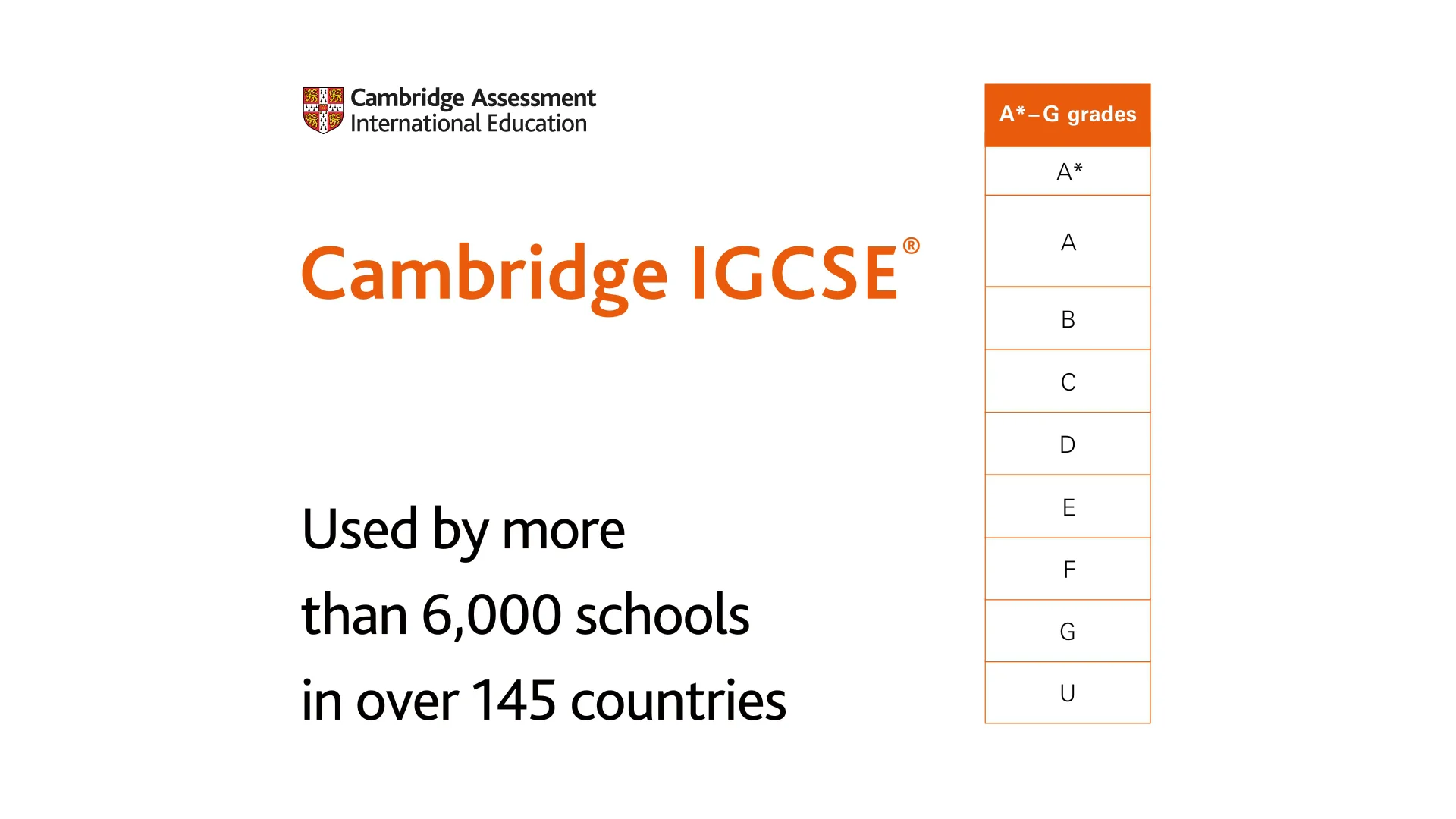
The grading scale for GCSE/IGCSE has changed since 2017 (first teaching 2017). Grading has been changed from A*-E grades to 9-1 grades, with 9 being the highest grade.
GCSE and iGCSE are widely recognized by top universities, including prestigious institutions in the US, UK, Canada, Australia and Hong Kong.
How to perform well in GCSE/IGCSE?
In preparation for GCSE/IGCSE, students should focus on understanding the fundamentals of each subject, as well as improving their spoken and written English in the early years of high school. Students can also improve their exam skills by reviewing past papers.
Most of our students attend regular lessons once or twice a week, supplemented by intensive lessons over Christmas, Easter and the summer holidays to further improve their results. With the help of our GETUTOR tutors, students can easily tutor and pass IGCSE/GCSE.
GCSE/IGCSE results
90% of GCSE/IGCSE students achieved A or A* (now 9-1). Our IGCSE tutoring students have been accepted by top universities including Cambridge, Oxford, Columbia, Cornell, LSE, Princeton, UCL, Durham and Warwick.
FAQ
1.GCSE / IGCSE 或 MYP 是更好的 其他國際學制DP 銜接課程嗎?
其他國際學制DP有各種銜接課程。在香港,大多數學校使用 其他國際學制 MYP、IGCSE 或 Pre-其他國際學制 課程作為銜接課程,而在新加坡,大多數學校使用 IGCSE(O-level)作為銜接課程。Pre-其他國際學制 意味著學校提前一年開始 其他國際學制DP,讓學生為嚴苛的 其他國際學制DP 做好準備。學生可以探索他們想在 Pre-其他國際學制 學年學習的科目,讓他們在科目選擇上做出更明智的決定。
一個良好的 其他國際學制DP 銜接課程應該要有哪些要求:
1) Provide students with a solid academic background.
2) 為學生提供選擇他們希望在 其他國際學制DP 攻讀的科目的機會。
3) 為嚴格的 其他國際學制DP 外部考試做好準備。
Among all the courses, GCSE/IGCSE seems to be preferable over the other two courses.
What are GCSE/IGCSE?
GCSE 和 IGCSE 學生通常會學習六到十二門科目(實際上沒有科目限制),具體取決於學校的要求和他們的個人喜好。由於大多數 GCSE 和 IGCSE 科目都是學術性很強的科目,如英語文學、數學、物理、化學、生物學、經濟學、地理、歷史等,學生應該選擇能為他們的 其他國際學制DP 打下堅實的學術基礎的科目。
鑑於學生將能夠在 GCSE 或 IGCSE 期間學習更廣泛的科目,所以他們需要在決定學習哪門 其他國際學制DP 課程之前,各自先了解每個科目的情況。這樣才不會到了最後覺得這個科目對自己沒有幫助,也浪費了時間。
此外,學生必須參加外部 GCSE 或 IGCSE 考試,通常是在 11 年級。雖然這意味著學生必須更早地體驗外部考試的壓力,但從好的方面來說,學生將更具備必要的心理素質參加外部考試,反過來地說,這有助於他們準備 其他國際學制DP 外部試卷。
其他國際學制MYP是什麼?
與 GCSE 或 IGCSE 相比,其他國際學制 MYP 是 其他國際學制O 提供的從 7 年級到 11 年級的 5 年制課程。一些學校採用縮寫形式的 MYP,例如 2、3 或 4 年而不是 5 年。您可以將 MYP 的最後兩年視為 GCSE 等效的課程。MYP學生必須修讀八個學科組,包括語言習得、語言與文學、個人與社會、科學、數學、藝術、體育與健康教育與設計。
Interested parents and students can find more information about the MYP course structure here:
https ://www.其他國際學制o.org/programmes/middle-years-programme/curriculum/
其他國際學制 MYP 更加註重任務和項目。因此,鼓勵學生在項目中進行自己的探索。對於聰明的學生來說,這是一個絕佳的鍛煉研究、分析和演講技巧機會。這個過程使他們能夠吸收各種理論或概念。
If students do not have clear learning goals, they will be confused during the learning process, not knowing which subject they are stronger at and what kind of practice they need. therefore. It is extremely important for teachers to be able to identify students' weaknesses and be able to coach and report on their requirements. However, this can be a challenging task for teachers given that all projects/studies that students want to study are different.
From an exam perspective, since the MYP course is more task-based, the exam burden will be less. However, sometimes it is the teacher's responsibility to follow the student's lead and make necessary remedial measures when needed.
其他國際學制O 於 2016 年為 其他國際學制 MYP 學生推出了第一個電子評估。這相當於一個外部考試,滿分 56 分。電子評估不是 MYP 學校的強制性要求。電子評估包括了過去的学习档案和一個1小時45分鐘到2小時的在線測驗。
Interested parents and students can click here to view more information:
(https://www.其他國際學制o.org/programmes/middle-years-programme/assessment-and-exams/)
與 GCSE 或 IGCSE 考試相比,其他國際學制 MYP 考試不那麼嚴格。
總體而言,IGCSE 或 GCSE 課程似乎在學術上更加嚴謹,並且能夠為學生創造類似 其他國際學制DP 的考試環境。我相信對於非常聰明的學生來說,無論如何他們都會從這兩種課程中受益。對於需要更多輔導的學生來說,IGCSE 或 GCSE 似乎是比 其他國際學制 MYP 更好的銜接 其他國際學制DP 的項目。
2. What is the difference between IGCSE and GCSE?
Place
The main difference between IGCSE and GCSE is that they are used by different countries. The GCSE syllabus is mainly used in the UK - both state and independent schools are able to offer GCSE. IGCSE (International GCSE) is for non-UK overseas countries. IGCSE is offered in over 120 countries. In the UK, some private schools also offer IGCSE, but this is less common.
Examination Board
IGCSE and GCSE courses usually last two years. Some schools may compress a two-year term into one year, but this is rare. In terms of exam boards, GCSE is offered by AQA, OCR, Edexcel, CCEA and WJEC. IGCSE is offered by three boards - Cambridge, Edexcel and AQA. Students are usually not allowed to choose their exam board. Schools decide which exam boards to use on a per-subject basis, for example, schools offer Chemistry with Cambridge Board and English with AQA. Whether a school offers GCSE or IGCSE, exam boards are not uniform.
Grading
Another difference between GCSE and IGCSE is the grading system. GCSEs have traditionally used letter grades (A*, A, B, etc.) but switched to a 1-9 numerical grading system following changes to the syllabus. IGCSE has also changed its grading system and now Edexcel and AQA grades are 1-9. Instead, Cambridge Examinations has two syllabus options, which use either a numerical or letter grading system, depending on which one your school chooses. Most schools will opt for a 1-9 numerical grading system across all subjects for consistency. However, 8-9 in the number system is equivalent to A*, so it is easier to get an A* than a 9. Therefore, digital scoring systems are arguably more difficult to achieve high ratings.
Exam timetable
GCSE exams are held annually, usually in May, which best suits the UK school term. They generally do not offer November or January exams.
The IGCSE exams offer a May/June exam period each year. Some boards will offer additional winter exams (eg Cambridge offers winter exams in November and Edexcel in January). In general, however, there will be a reduced range of subject exams offered in winter compared to the main exam period in summer.
Which is more difficult?
The difference between GCSE and IGCSE is negligible. Different syllabuses, of course, will have slight differences in content and curriculum, but the same subject in 80-90% is the same in IGCSE or GCSE. Before the syllabus changes, GCSE required coursework, but now both syllabuses are exam-based. Universities also tend not to favor any one syllabus.
Should I choose IGCSE or GCSE?
If you are an overseas student, it is likely that the only ones available to you are IGCSEs, so you have no choice in the matter. If you are in the UK, you can choose between schools for IGCSE or GCSE. The subjects offered are generally the same, but there are some slight differences in English for IGCSE. GCSE is only offered in English Language and English Literature. While IGCSE offers English as a first or second language. Therefore, if your English is weak, you may consider taking IGCSE English as a Second Language.
However, we also recommend that you consider the requirements for future university applications. Some universities do not accept English as a second language towards the actual language requirement and also require you to take IELTS. Therefore, students are asked to think carefully before deciding to take IGCSE English as a Second Language.
3.英國課程的英語水平(GCSE / GCE 其他國際學制):The Sciences
如果你一生都在香港學習,現在正計劃去英國學習 GCE/其他國際學制 或 GCSE 考試,那麼過渡的時候可能會感到很困難和煎熬,因為你會面對純英語的教學。許多學生想知道這段期間到底是有多困難,這要看你原本英語能力的程度。
If your biology, chemistry, or physics courses are taught in Chinese, you may have to look up the dictionary frequently during class, especially for some scientific terms. Even if you learned the English equivalents of these words in biology, for example, mitochondria (Mitochondria), pancreas (Pancreas) and glucose (Glucose). You may also encounter language difficulties in other areas.
accent problem
Additionally, even if your course in Hong Kong is in English, be aware that there are many different accents in the UK. For example, you may encounter English with a Scottish, Irish or RP (Queen's Pattern) accent, or have an Indian or Polish teacher. Even if you know your teachers in Hong Kong, you may not be used to these new British accents. In addition, it is very likely that the British teacher will speak English faster than you are used to, so there will be an adjustment period and you need to be mentally prepared.
Don't get frustrated. The British curriculum is in English and your knowledge of Chinese seems to be wasted. But there are a lot of free English resources online for you to learn from, so once you get used to it, studying in class won't be that difficult.
If your English writing skills are less than ideal, here are a few things to remember:
1. When you write exam answers, you are usually asked to write complete sentences, so you cannot use bullets.
2. 許多學生擔心語法錯誤,影響了他們的成績。我們建議您不要擔心,因為考官實際上並不太關心它(除非您正在參加英語考試)。英國的教學大綱通常有國際版本(國際 GCSE 或國際 其他國際學制),並且考官知道第二語言的英語學生。英國的學校裡有很多移民和不同國籍的學生,很難要求他們所有人都有完美的語法。
3. As long as your grammar doesn’t have errors that affect the meaning of your answer or the examiner can’t understand you, that’s fine!
4. Sometimes the English terminology you use in the exam is not quite correct, for example you heard the term and spelled it wrong based on its pronunciation – don’t worry, the examiner will usually accept these answers too! They assess your scientific knowledge, not your English, so some flexibility is allowed.
Overall, if your course in Hong Kong was taught in English, and you completed your assignments and exams in English, you'll probably be perfectly fine when it comes to switching to a British course. If your course in Hong Kong is taught in Chinese, you may encounter some difficulties with class lectures, written responses, long questions and essay-based examination questions. But keep learning, and after a few months, you will be able to adapt well to the new language environment!
When preparing for the IGCSE Mathematics exam, it is important to know how to study according to your goals.
Whether you are taking AQA, CIE or Edexcel, all IGCSE maths questions are usually divided into two parts.
- The easier questions are in the basic part
- More difficult questions are in the extended part of the syllabus
Most students take both foundation and extension courses, although this varies between schools and classes. If you download the syllabus, the beginning of the syllabus is the Fundamentals section. If you are a foundation course student, the highest grade you can achieve is 5. If you also take the extended exam, the highest grade you can achieve is 9.
basic questions
The foundation questions in IGCSE Mathematics are generally considered easier. Examples include algebraic operations, expansion, factoring, exponents, etc. Most students, whether they are basic only students or more advanced students, perform the same way in basic questions. They will grasp these concepts well.
The higher level/extended questions in IGCSE Mathematics are often more difficult and really differentiate students by their ability level. Topics include calculus, differentiation, kinematics, vectors, functions, 3D trigonometry, probability, sequences and series, and circle theorems.
Higher level questions
Higher-level questions will have more challenging questions. For example, in the circle theorem, you may see a circle and several lines that bisect the circle, and need to calculate the angle between the lines on the circle, etc. Often, the difference between Level 7, Level 8 and Level 9 students need to learn how to deal with more difficult concepts, and whether they have a deep enough understanding of these difficult topics.
If you are a student aiming for higher grades, you will need to focus on the Extended/Higher Tier questions and review them carefully. A typical IGCSE exam will have harder questions in the last 5-6 questions. We recommend that you download sample papers and past papers and also try out some of the sample questions yourself.
If you feel that you don't have time to complete all the questions from the past papers, you can attempt the last 5-6 questions from each paper. Because the first half of the questions are usually easier, such as algebraic operations. Students who are already proficient usually shouldn't have any problems with them, and may learn more efficiently by skipping the easy questions and training only on higher-level questions.
On the contrary, if your goal is not a higher math score and you want a 5 or lower, we recommend that you focus on the basic questions. If you review well and are confident in the basic questions, you won't make mistakes and can get a stable score in the basic part of the exam. During the exam, you can look at the Higher Tier questions to see if you can try to score in this section. Don't worry about the difficult questions, we just need to focus on laying the foundation. Most importantly, determine what level of student you are and what your learning goals are. Each student has different target scores and adopts different strategies.
5. What is the difference between MYP and IGCSE?
MYP 和 IGCSE 都是中等教育課程,但他們之間有一些顯著差異。 IGCSE 或國際普通中等教育證書相當於 GCSE 的國際同等水平,GCSE 是針對 14-16 歲兒童的長期且以學術為重點的英國教育課程。 MYP 或中學項目是一個針對 11-16 歲的學生,沒有固定課程的教育框架,並且是最近創建的,目的是讓年輕學生為嚴格的 其他國際學制 項目做好準備。
IGCSE Curriculum and MYP Framework
The most significant difference between MYP and IGCSE is that IGCSE defines subject-specific courses, while MYP does not. IGCSE follows a traditional approach, with questions and content specified in the syllabus by the exam board, which are then taught in classrooms until the end of two years of tutorials, when the major exams are taken. IGCSE is more specialized in training students in examination techniques, coursework, time management and personal subject skills. However, subjects are mostly segregated and exam-focused, which can make students feel they are being educated in a way that is too mechanical or formulaic.
In contrast, the MYP does not have a clear curriculum. Instead, it allows each school to customize its own syllabus and encourages students to study subjects jointly. For example, MYP students could simultaneously study an infectious disease unit in biology, do a group project on the historical Black Death, and review English-language literature from countries affected by malaria. In this way, students gain a more well-rounded education and understand the connections between different disciplines and how they relate to real-world global issues.
IGCSE is externally assessed, MYP is evaluated internally
IGCSE provides standardized externally assessed examinations, while MYP relies on internal assessment set by schools. Students may be familiar with the teacher-led format of IGCSE, where they must learn and remember the content and methods taught in class. Furthermore, the IGCSE curriculum and assessment standards are well-defined, leaving little room for student-led learning. It cannot be said that it is very beneficial, but it cannot be said that it is completely useless, because some students say that such a learning environment allows them to learn more and faster, and some say that the learning pressure is too much.
In contrast, the MYP’s assessment criteria are more ambiguous. Content and assessment depend largely on the decisions and judgment of the teacher. MYP also places a strong emphasis on inquiry-based learning. Students can determine their own research questions through personal projects and investigations, giving them greater control over the direction of their learning journey.
MYP cultivates students’ understanding oftopic主題的理解能力,因為學生的教育質量在某種程度上取決於對提問的回答能力和思考能力。由於這些原因,MYP 的教育質量往往因學校而異,而 IGCSE 則更為一致。IGCSE 作為一個較老的項目,IGCSE 得到了更廣泛的認可和尊重,儘管 MYP 因其與 其他國際學制 的聯繫而獲得更好的認可。
Features of MYP
The MYP also includes individual projects as part of its assessment criteria. Students must decide their own learning direction and desired outcomes, and create their specific products, such as websites, musical instruments, or short animations. The project is designed to allow students to demonstrate the skills they have learned and developed on the course, while pursuing areas of personal interest outside the subject curriculum. They must also demonstrate the final product and document their creative process.
The MYP encourages all students to take part in extra-curricular activities throughout secondary school, regardless of which course they are studying, and they can enrich students' lives and are ideal for filling out the personal statement of abilities section of a university application. These include extracurricular activities including Creativity, Action and Community Service (CAS).
這是為了讓學生為在 其他國際學制 中完成類似的 CAS 學習時做好準備,並鼓勵學生將自己視為社區的一部分和全球的公民。IGCSE對課外活動的重視程度較低,但希望進入其他國際學制或大學的學生無論如何都應該養成參加的好習慣。
Whether it's IGCSE or MYP, GETUTOR provides students with the resources they need to realize their potential and succeed. If you would like further advice for your child, or would like to research and book lessons with one of our many professionally trained MYP and IGCSE tutors, please feel free to contact usconnect.
Popular search terms:
其他國際學制 mathematics tutor hk
其他國際學制 physics tutor hk
其他國際學制 physics tutor hk
igcse maths tutor hk
其他國際學制 mathematics tutor hk
igcse mathematics tutor hk
其他國際學制 maths tutor hk
其他國際學制 english tutor hk
igcse physics tutor hk
igcse english tutor hk
其他國際學制 chinese tutor hk
其他國際學制 chinese tutor hk
其他國際學制 chemistry tutor hk
igcse chemistry tutor hk
其他國際學制 chemistry tutor hk
其他國際學制 biology tutor hk
igcse chinese tutor hk
igcse biology tutor hktopic
由 GETUTOR 升學研究組撰寫 | 數據來源:GETUTOR 內部配對紀錄
大窩口 IGCSE 補習:點解國際學校學生由零開始要點配導師?
大窩口區 IGCSE 補習嘅實際情況
大窩口呢個位於荃灣、葵青之間嘅地段,連住地鐵站直通好多區,學生來源相當多元。近年呢一帶私校同國際學校嘅學生人數穩步增長,家長最常頭痛嘅一條:「我個小朋友讀緊 IGCSE,但市面上 9 成補習老師都係教 其他國際學制,邊度搵到識國際課程嘅老師?」
根據 GETUTOR 後台 2024-2026 年大窩口及鄰近荃灣葵青區 IGCSE 配對紀錄,樣本約 224 宗,當中跨科目 IGCSE 配對需求平均每月有 18-22 宗。我哋成個系統入面 IGCSE 平均配對時間係 6.0 小時*,比起 其他國際學制 各科平均都要長 — 主要因為要搵到識英文教材、識 Edexcel 或 CIE 系統嘅導師,門檻比 其他國際學制 高一截。
大窩口區嘅試堂後繼續率係 80%*,呢個數字喺新界西屬於穩定中上。對家長嚟講,呢個係一個比較有參考性嘅指標 — 100 個試咗第一堂嘅學生,平均有 80 個會繼續落去成個學期或以上。
導師獨家:IGCSE 學生嘅補習邏輯同 其他國際學制 唔同
專補大窩口、葵芳、青衣一帶國際學校嘅 6 年資 IGCSE 全科導師 Mr. C(按導師私隱要求使用化名,導師資歷已獲 GETUTOR 平台認證)指出:「好多家長一上嚟就問我『可唔可以雞精咁壓 grade』,我都會話佢哋唔好。IGCSE 嘅考試格式同 其他國際學制 完全唔一樣 — Maths Extended Paper 個 working 要求好高,每一步要寫清楚;English 同 Literature 嘅 essay structure 都係跟英式邏輯,唔係香港人慣用嘅 PEEL。」
Mr. C 嘅教法係先做 Diagnostic — 第一兩堂唔會教書,先做 past paper 個個 chapter 都試一下,搵到學生最弱嘅 3 個 chapter,先針對性嚟補。佢話咁樣比起齋跟 syllabus 由頭教過快好多,因為 IGCSE 學生程度差距通常都好大,唔啱齋一條 routine 教法。
另一個獨家心得:IGCSE Maths Extended Paper 入面嘅 Vector 同 Function 嗰兩 chapter,係香港學生最易卡死嘅位 — 因為 其他國際學制 嘅課程冇咁早教 Vector,亦冇咁深入嘅 Function transformation。Mr. C 教學生從零開始嘅 visual approach,畫圖去理解 vector 嘅加減同 magnitude 計算,背公式之前先有 picture。呢個方法外面雞精班係冇時間做嘅。
大窩口 IGCSE 補幾耐先見效?
| suject | 建議堂數(每堂 1.5 小時) | difficulty |
|---|
| Maths Extended Paper | 15-18 堂 | 最難 |
| English Language | 10-12 堂 | 偏難 |
| Physics | 12-14 堂 | 偏難 |
| Chemistry | 12-14 堂 | 偏難 |
| Biology | 10-12 堂 | medium |
| Economics | 8-10 堂 | medium |
*堂數為導師建議中位數,實際因學生程度而異
大窩口區 IGCSE 導師質素
| index | 大窩口區數字 |
|---|
| 試堂後繼續率 | 80%* |
| 導師平均教學年資 | 5.2 年 |
| 持有大學學位比率 | 83%* |
| Average Matching Time | 6.0 小時* |
| 能教 Edexcel + CIE 雙系統導師比例 | 49%* |
*統計自 GETUTOR 後台 2024-2026 年大窩口及鄰近荃灣葵青區 IGCSE 配對紀錄,樣本約 224 宗
防伏位:IGCSE 嘅常見陷阱
GETUTOR 導師防伏貼士:好多家長以為 其他國際學制 5** 嘅導師一定識教 IGCSE,呢個係最大嘅誤解。Mr. C 解釋:「其他國際學制 同 IGCSE 嘅 Maths syllabus 重疊度大概 70%,但題型完全唔同。Edexcel IGCSE Maths Paper 4 入面有部份 chapter(例如 Set theory、Vector、Functions)其他國際學制 根本冇教咁深入。揀導師唔好淨係望 其他國際學制 成績,要 confirm 佢有 IGCSE 教學經驗。」
另一個易中嘅位:IGCSE English Language 嘅 essay scoring rubric。Edexcel 同 CIE 兩個 board 嘅 marking criteria 係唔一樣 — Edexcel 重視 structure 同 cohesion,CIE 重視 vocabulary 同 sentence variety。如果導師教錯方向,學生 essay 寫得再好都未必拎到頂分。
仲有一個冷門但好重要嘅 trap:IGCSE Combined Science 同 Triple Science 嘅深度分別好大。Combined Science 比 Triple Science 容易好多,但去外國升讀 其他國際學制 之前,唔少 Russell Group 大學會 prefer 學生讀 Triple。家長報讀之前要諗清楚未來路向。
進步時間線
| time | 預期 |
|---|
| 第 1-2 堂 | Diagnostic,搵到 3 個最弱 chapter |
| 第 3-5 堂 | 核心概念通,最弱 chapter 開始改善 |
| 第 6-10 堂 | Past paper 練習,學校 test 升 grade |
| 第 11-15 堂 | Mock 考成績達穩定 A/B,考試格式熟練 |
個案分享(已匿名處理)
個案分享(已匿名處理):一位大窩口國際學校嘅 Year 10 學生,讀 Edexcel IGCSE Maths Extended Paper,配對前 mock 試得 C grade,主要喺 Vector 同 Function 失分嚴重。經過 17 堂私補後,IGCSE 最終攞到 A grade。導師主要做嘅嘢係由 vector 嘅 visual concept 開始重教,再用 10 套過往 past paper 操練,每條題目逐一寫低 working。
FAQ
Year 9 先補 IGCSE 早唔早?
剛剛好。Year 9 補習嘅好處係可以舒服啲打好基礎,唔使到 Year 10 中段先趕住操卷。一般 Year 9 配對嘅 case 入面,學生試前 6-8 個月就拎到穩定 A 級水平。
大窩口區國際學校學生最常卡邊科?
數據顯示頭三科係 Maths Extended、English Language、Sciences。Maths 卡嘅原因主要係 syllabus 同 其他國際學制 唔同,需要適應;其他兩科則係考試格式同 其他國際學制 唔一樣。
IGCSE 私補同大班最大分別?
大班通常一個老師教晒幾科,亦冇辦法因應每個學生嘅程度差距嚟調整。IGCSE 學生程度差距好大,私補可以做 diagnostic 之後針對性嚟補,效率高好多。
Next step
大窩口區 IGCSE 嘅平均配對時間係 6.0 小時,比較 其他國際學制 各科稍長啲,因為要搵到識英文教材、識國際課程嘅導師。如果你嘅小朋友 mock 已經響起警號,建議唔好等再差先處理。可以入 GETUTOR 配對系統 睇下有咩導師適合你。
關於本文引述導師
Mr. C(按導師私隱要求使用化名)— 香港中文大學機械工程學士畢業,其他國際學制 Maths + Physics 雙 A*。曾任國際學校 Maths 全職教師三年,之後轉做全職私補,主力補大窩口、葵芳、青衣一帶國際學校 IGCSE 學生。教學年資 6 年,累計教過超過 45 個 IGCSE 學生,當中 28 個攞到 A 或 A* grade。導師資歷已獲 GETUTOR 平台認證。
Extended Reading
本文旨在幫助家長及學生了解大窩口區 IGCSE 補習嘅實際情況,作出更好嘅判斷。如有任何補習相關疑問,歡迎聯絡 GETUTOR 團隊。